
Certified Mopar technician Jordan Rose, better known online as (@MoparTechJordan), recently pulled back the curtain on what is easily the most important software update released so far for Stellantis’ newest electric vehicles (EVs). After watching the rollout closely and digging into the details, it’s clear this isn’t just another routine patch—it’s a massive, multi-layered update aimed squarely at fixing the biggest real-world issues owners of the Dodge Charger Daytona and Jeep® Wagoneer S have been dealing with since launch.
This update applies to both 2024 and 2025-model-year vehicles and is being released as a combination of Rapid Service Updates (RSUs) and Technical Service Bulletins (TSBs). In simple terms, that means this is manufacturer-initiated work that dealers are instructed to perform when the vehicle comes in—similar in spirit to a recall, but software-focused rather than hardware-based.
Why This Update Matters –
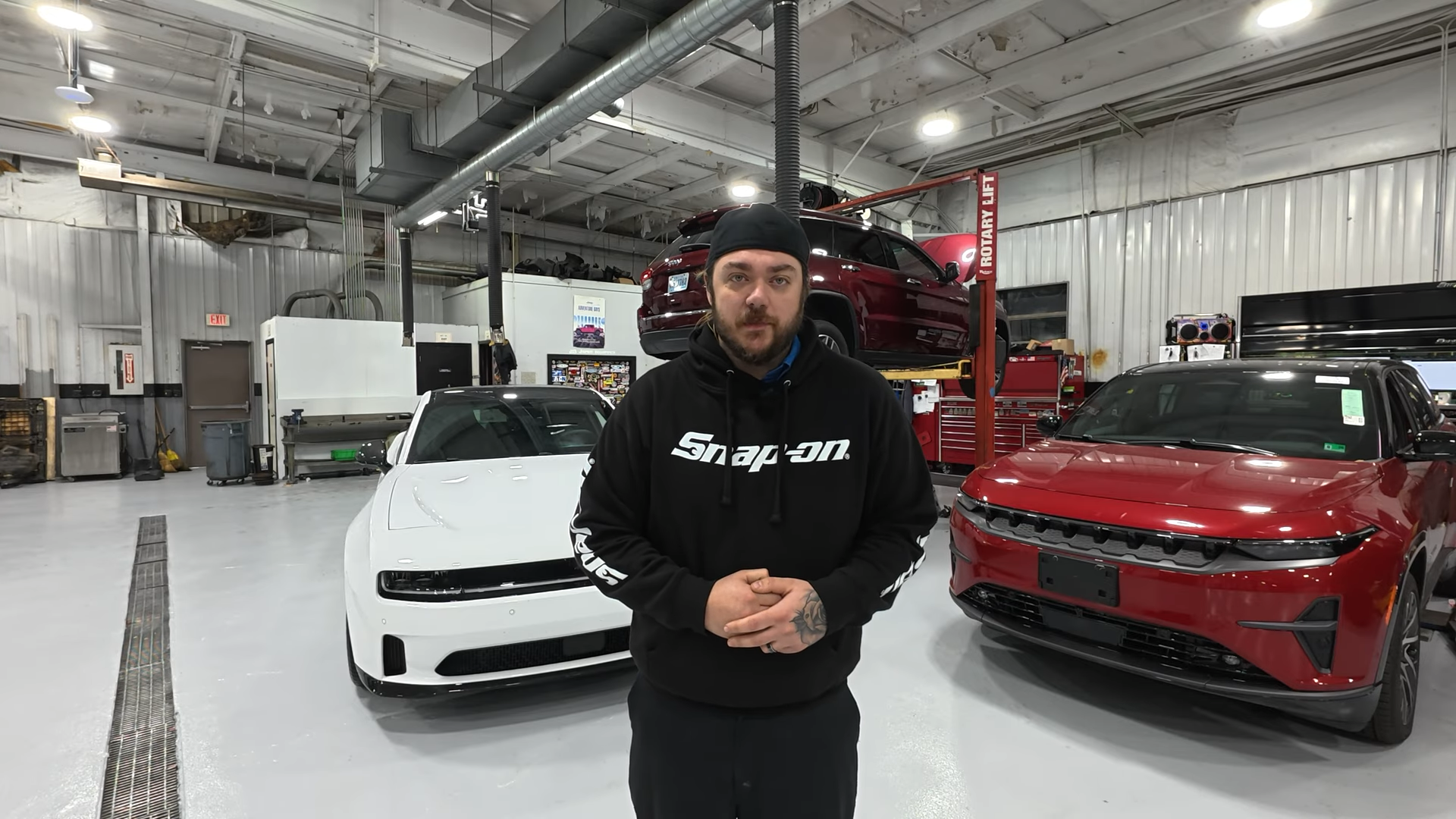
According to Jordan, this is the largest and most complex EV software release Stellantis has ever pushed out. It bundles roughly 25 separate fixes into a single coordinated update, addressing problems affecting drivability, charging, startup behavior, warning messages, and overall vehicle reliability.
Many of these issues weren’t minor annoyances. Owners reported vehicles refusing to shut off, failing to start due to 12-volt battery drain, entering limp mode unexpectedly, or behaving inconsistently when charging. For an all-new EV platform, those problems directly impact trust—and this update is designed to restore it.
What Vehicles Are Covered –
The update applies to:
-
2024 Dodge Charger Daytona
-
2025 Dodge Charger Daytona
-
2024 Jeep Wagoneer S
-
2025 Jeep Wagoneer S
Internally, Stellantis grouped these updates by model year, with 2024 vehicles in one campaign group and 2025 vehicles in another. While the individual RSU and TSB numbers vary by model and year, they all point back to the same core software package.
What Problems Does It Fix? –
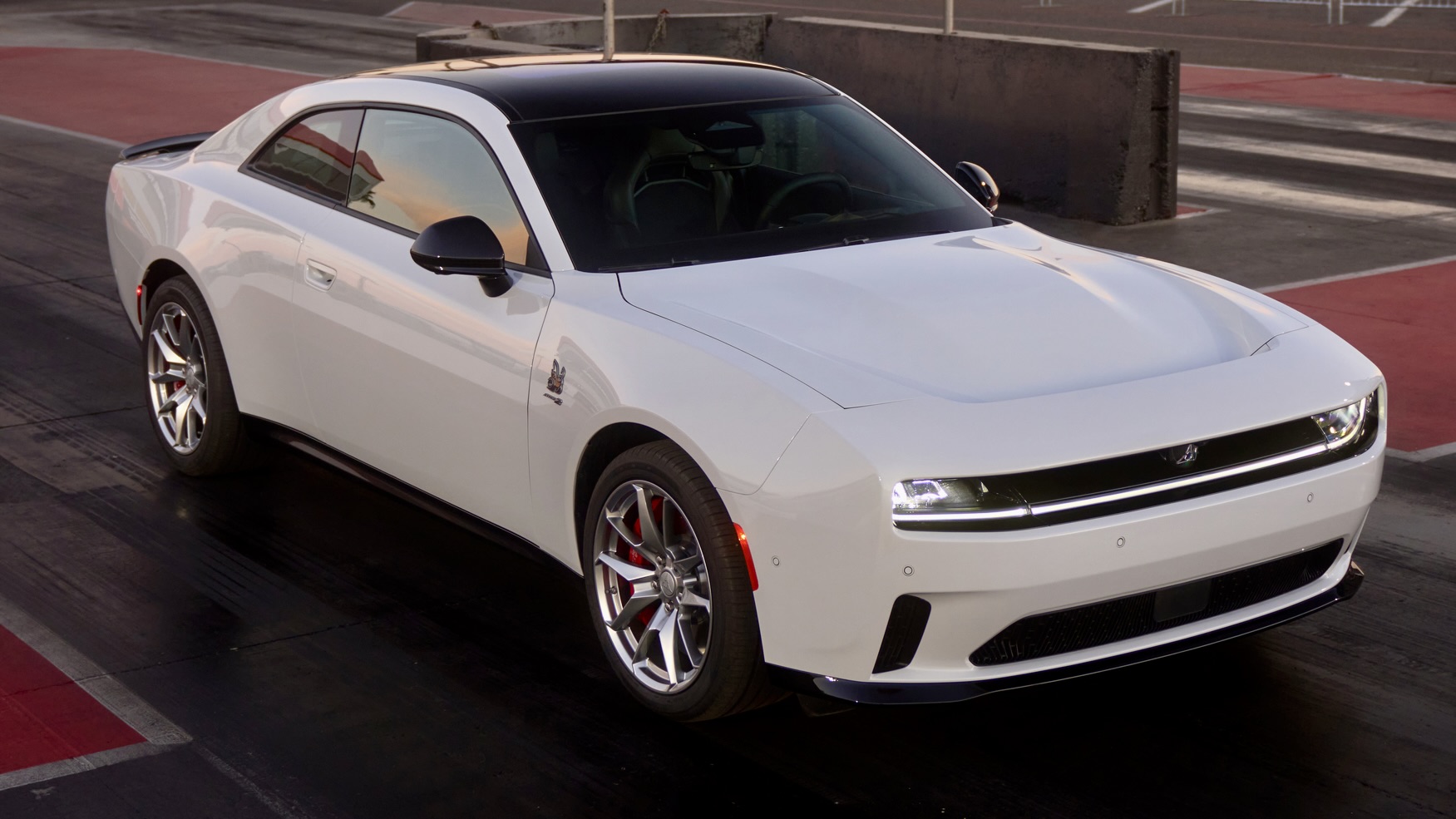
In plain English, this update goes after the most common and most frustrating EV complaints head-on.
One of the biggest improvements involves 12-volt battery management. Software logic has been revised to reduce battery drain, prevent no-start conditions, and introduce a closed-loop “silent charging” system that keeps the 12-volt battery healthy in the background.
Startup and drivability issues were also a major focus. The update corrects communication problems between high-voltage modules that could prevent the vehicle from starting, trigger false turtle or limp-home modes, or cause warning lights to appear without a real fault.
Charging behavior also sees major improvements. Problems with charging sessions not starting, stopping early, or reporting incorrect status have been addressed. That includes fixes for charge-port indicator lights, range and state-of-charge estimates, mobile app “Charge Now” commands, and compatibility with additional public chargers.
Owners who experienced jerks or bumps during acceleration or deceleration should see improvements, too, along with more accurate performance data shown in the vehicle’s displays.
This Is Not an Over-the-Air Update –
One important point Jordan makes very clear: this update cannot be done over the air. Because it involves reprogramming multiple major vehicle modules—including the battery pack, front and rear drive units, and vehicle control systems—it must be completed at a dealership in a controlled environment.
The process is time-intensive. Expect the update to take roughly four to five hours, and in some cases, the vehicle may need to stay overnight. Cooling periods, sleep cycles, and external 12-volt power support are all part of the required procedure.
Patience Is Key –
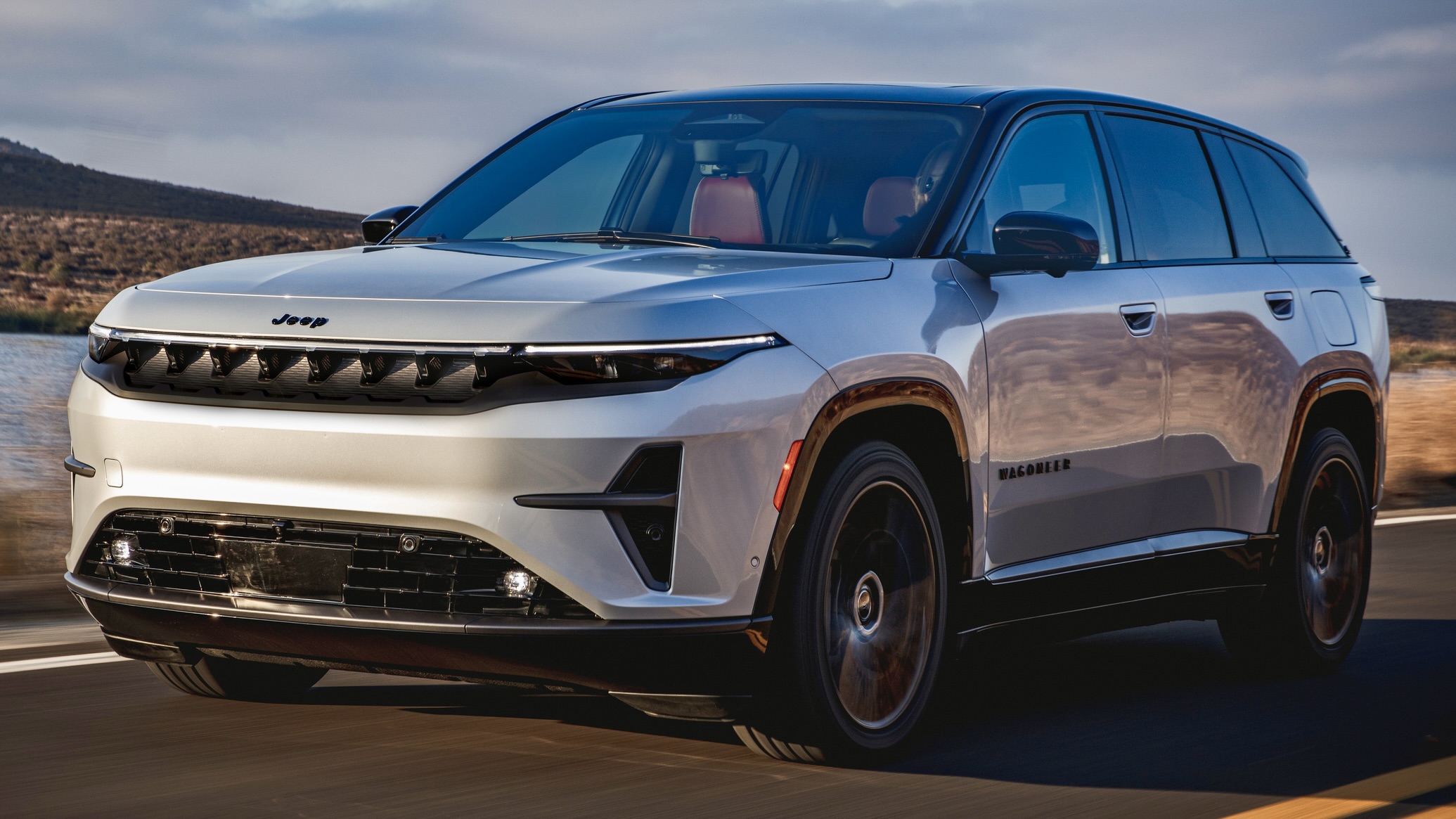
This software has only just been released and is still actively rolling out across dealer systems. Availability can vary by VIN, model year, and region. If a dealership doesn’t immediately see the update tied to your vehicle, that doesn’t mean something is wrong—it simply may not have populated yet.
Jordan stresses patience with service departments and technicians. EV-certified Mopar techs are often in short supply, and this update is as complex as they come.
The Bigger Picture –
What stands out most is that Stellantis clearly listened to owner feedback. This update builds on earlier software releases and addresses problems that affect daily livability, not just edge cases. Rose also notes that additional updates are still coming for items like passive entry and trunk operation, meaning this isn’t the end of the road.
For Charger Daytona and Wagoneer S owners, this update represents a turning point. It won’t magically make early-production EV growing pains disappear overnight—but it does address the core issues that mattered most. And that’s exactly what owners have been asking for.