
EU Backpedals on 2035 ICE “Ban” With a New 90% CO₂ Target
A Big Rules Rewrite, Not A Full U-Turn

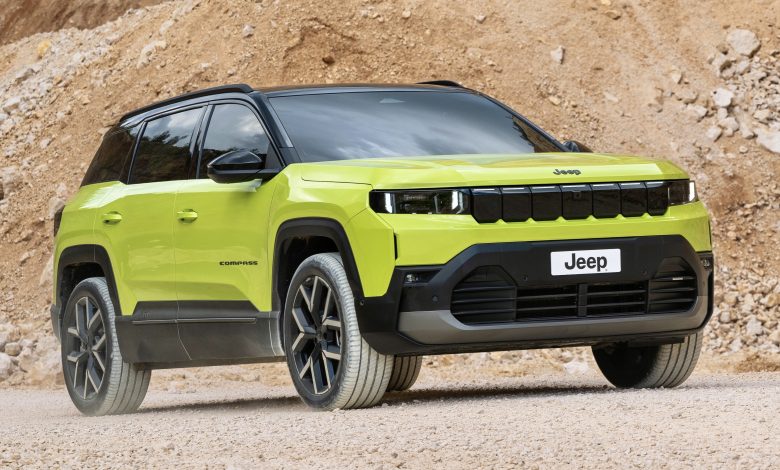
Europe just put a major “reset button” on one of the most talked-about automotive deadlines in the world: the EU’s 2035 requirement that all new cars and vans be zero-emissions at the tailpipe. In a new proposal that still needs approval from EU governments and the European Parliament, the European Commission would replace the effective 2035 zero-emissions requirement with a target calling for a 90% cut in CO₂ emissions from 2021 levels instead of 100%.
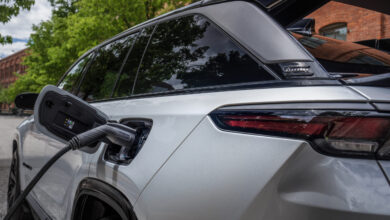
That 10% “gap” matters, because it’s where internal combustion engines (ICE) can keep breathing—at least in certain forms. In the Commission’s own words, “This will allow for plug-in hybrids (PHEV), range extenders, mild hybrids, and internal combustion engine vehicles to still play a role beyond 2035, in addition to full electric (EVs) and hydrogen vehicles,” the Commission said in its press release.

Instead of a hard stop where every new vehicle must be zero-emissions in 2035, the proposal shifts to a system that still demands deep reductions, but allows some ongoing tailpipe emissions—so long as automakers compensate. The proposal ties that remaining emissions “allowance” to offsets like made-in-EU lower-carbon (“green”) steel and alternative fuels such as synthetic e-fuels or non-food biofuels (think agricultural waste and used cooking oil).
In other words: Brussels is signaling it would rather manage how emissions are reduced than enforce a single, all-or-nothing technology outcome.
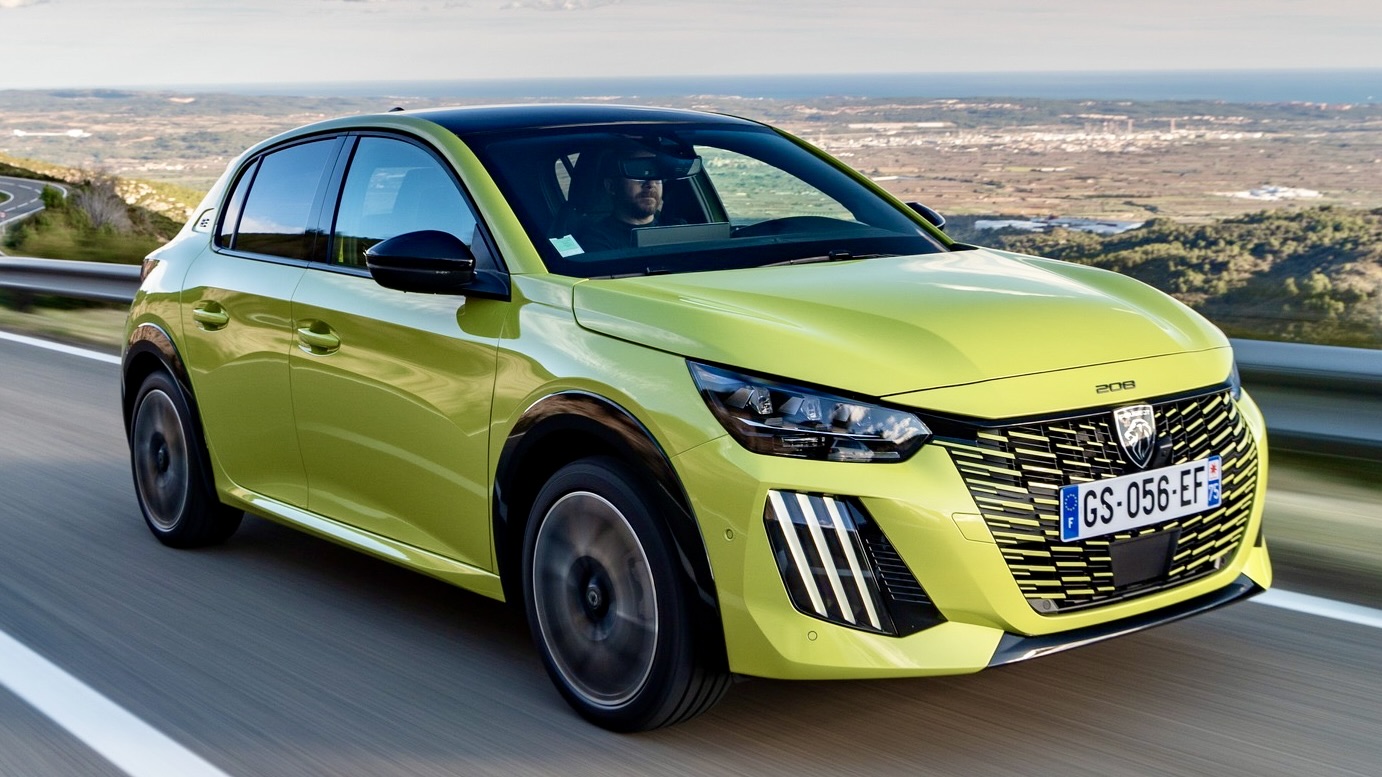
This didn’t happen in a vacuum. The auto industry has been pushing hard for flexibility as EV demand cools in some markets and Chinese competition keeps intensifying. Volkswagen applauded the direction, saying, “Opening up the market to vehicles with combustion engines while compensating for emissions is pragmatic and in line with market conditions,” and adding that the draft CO₂ approach was “economically sound overall”.
Buried in the fine print is another big deal: the Commission would loosen the interim 2030 CO₂ milestone by letting automakers average compliance across three years—2030 to 2032—instead of hitting a single-year number.

For vans and light commercial vehicles (delivery-type rigs), the 2030 target also moves: it would drop to 40% reduction from 2021 levels, down from the previous 50% reduction target.
The Commission is also trying to push EV adoption through the place Europe buys a lot of new vehicles: business fleets. Corporate fleets account for about 60% of new car sales in Europe, and the proposal would set national targets (based on GDP per capita) to “green” those fleets, with countries choosing how to get there (tax breaks are implied, with Belgium cited as an example).
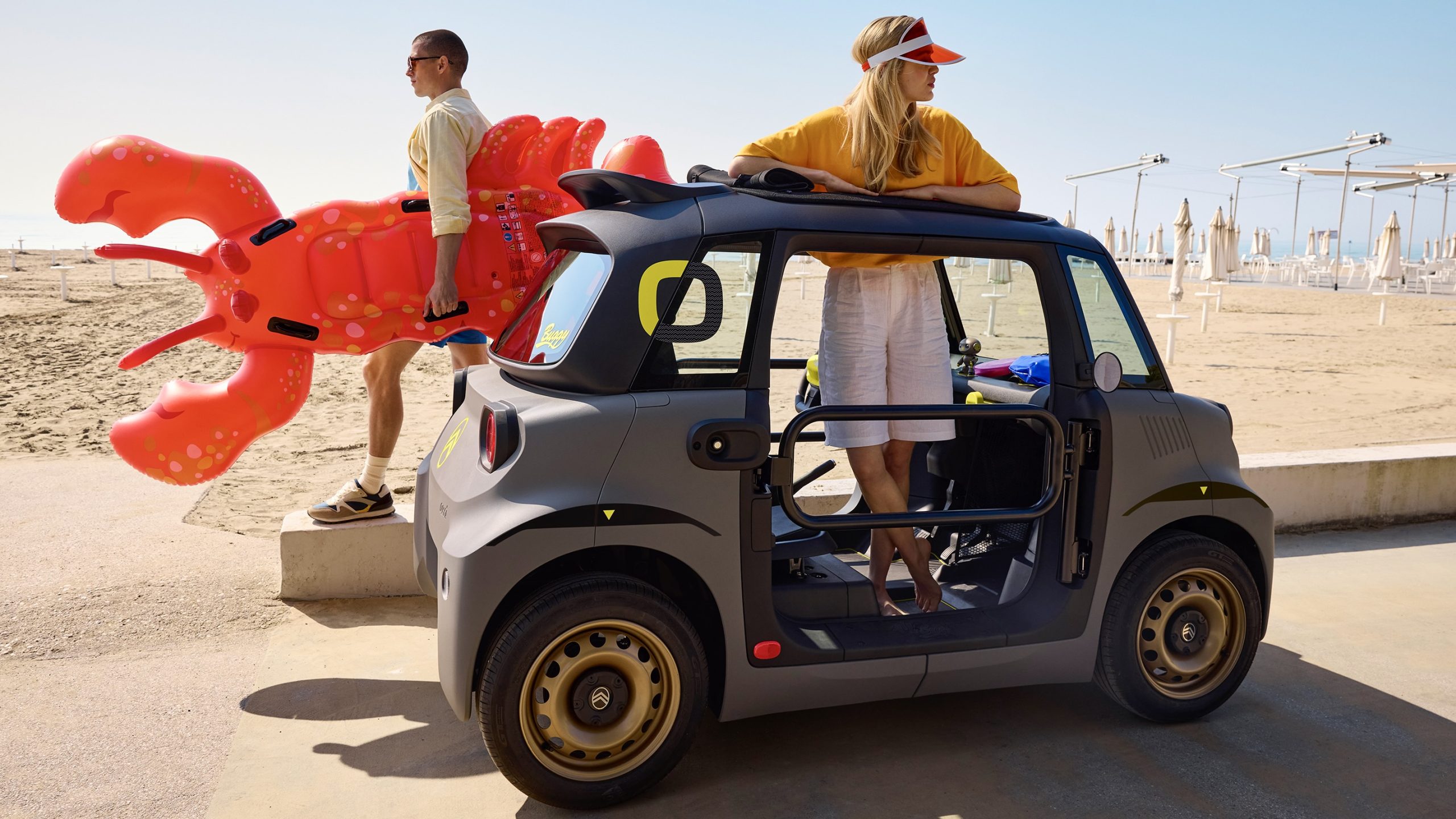
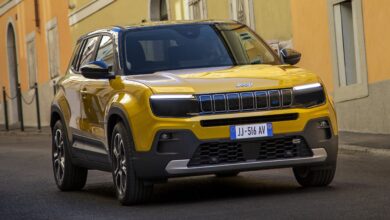
Finally, there’s a new “small EV” category: defined as 4.2 meters long (about 13.8 feet / or about 165 inches), with lighter regulations and extra CO₂ credits. The coefficient mentioned is 1.3, meaning 10 small EVs could count like 13 for emissions math—though the initiative is only slated to run until 2034.
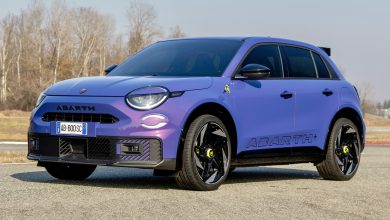
For automakers—including Stellantis brands that sell heavily in Europe—this proposal is basically Brussels admitting the transition won’t be a straight line. It’s a pivot toward “compliance flexibility,” with politics, economics, and supply chains (steel, fuels, batteries) all getting pulled into the same emissions equation. Now the real question is whether the EU can keep investment confidence high while also giving legacy automakers more runway.


No replies yet
Loading new replies...
Join the full discussion at the Mopar Insiders Forum →