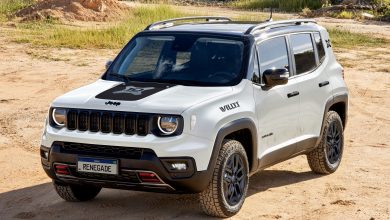

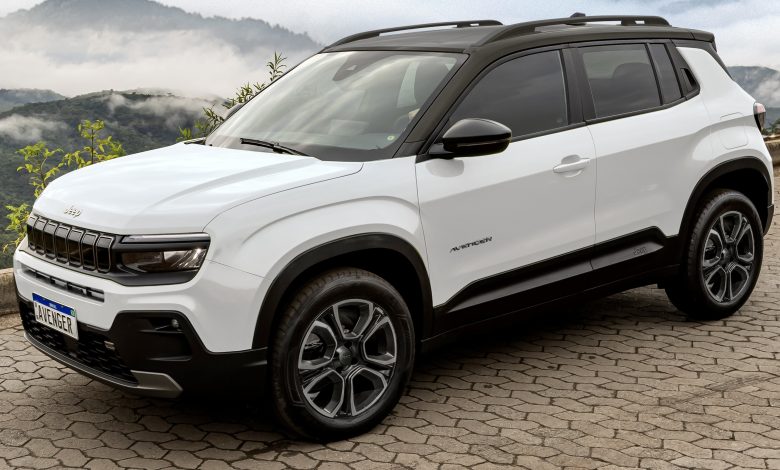
Jeep® is quietly but steadily ramping up its preparations for one of its most important Latin American launches in years. According to our friends over at Autos Segredos, the Jeep Avenger is now deep into advanced testing ahead of its Brazilian-market debut, which is expected to happen by May 2026 as part of the 2027 model year lineup.
Recently, the Avenger was spotted undergoing emissions evaluations on public roads, escorted by a Jeep Commander, while returning to the Stellantis Betim Automotive Pole in Minas Gerais. That kind of testing is a clear sign the project is moving out of the development phase and closer to production reality.
Hybrid-Only Strategy For Brazil –
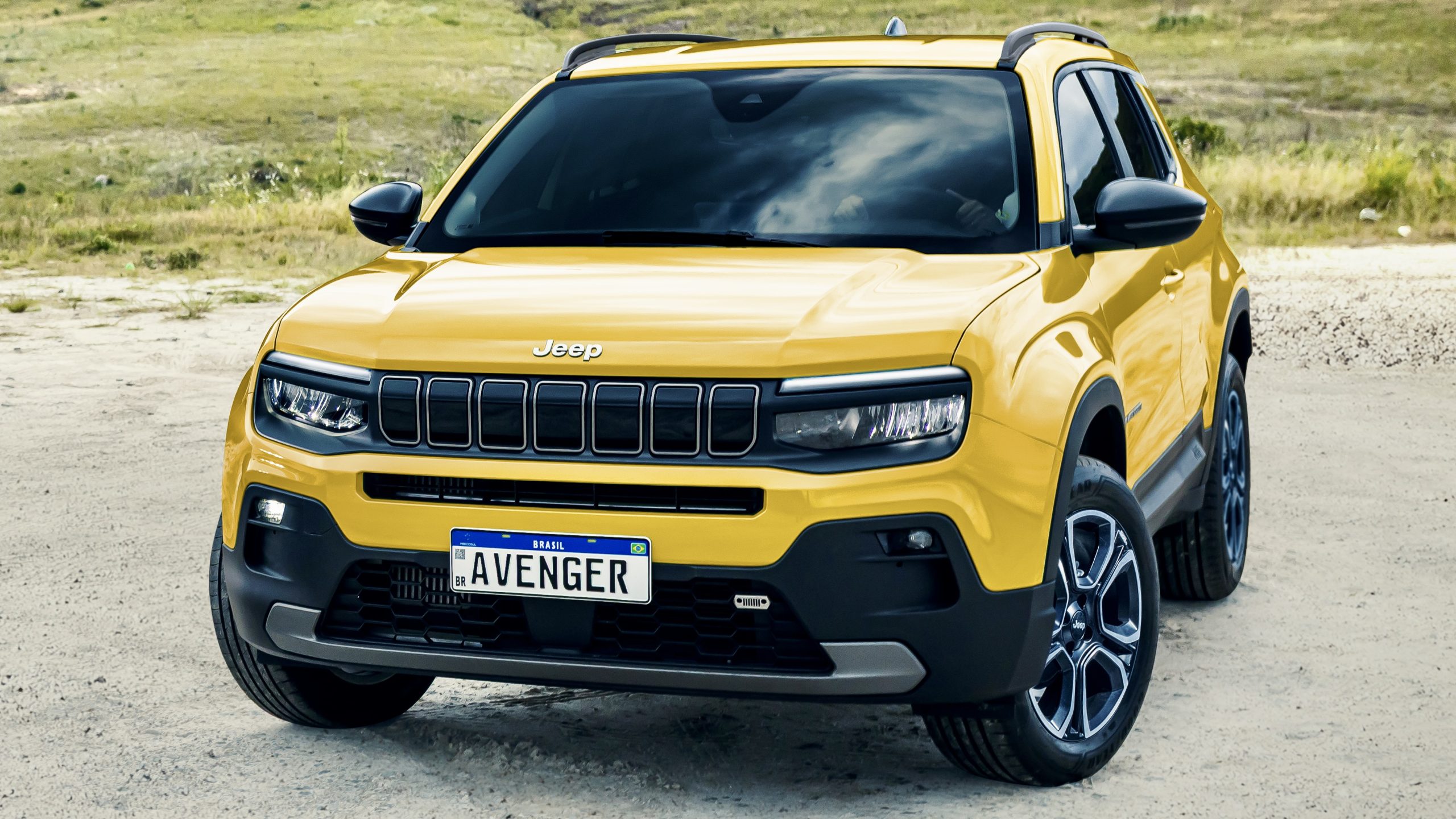
Unlike some global markets where the Avenger is offered with multiple powertrains, the Brazilian-built model will take a focused approach. Jeep plans to produce and sell the Avenger locally exclusively with the familiar 1.0-liter Turbo 200 Flex Hybrid setup. This is the same 12-volt light hybrid system already used in vehicles like the Fiat Pulse and Fastback.
In simple terms, this mild-hybrid system uses a small multifunction electric motor that replaces the traditional alternator and starter. It helps during start-stop situations, assists the engine under light loads, and improves overall efficiency—without the need for plugging in or large battery packs.
Power comes from the turbocharged 1.0-liter Flex engine, producing 130 horsepower on ethanol and 125 horsepower on gasoline. Torque is rated at 20.7 kgfm (approximately 203 Nm or 150 lb-ft), regardless of fuel choice. A CVT automatic transmission with simulated seven-speed steps will handle power delivery, a setup already proven across several Stellantis brands in Brazil.
Sized Right For The Entry SUV Fight –
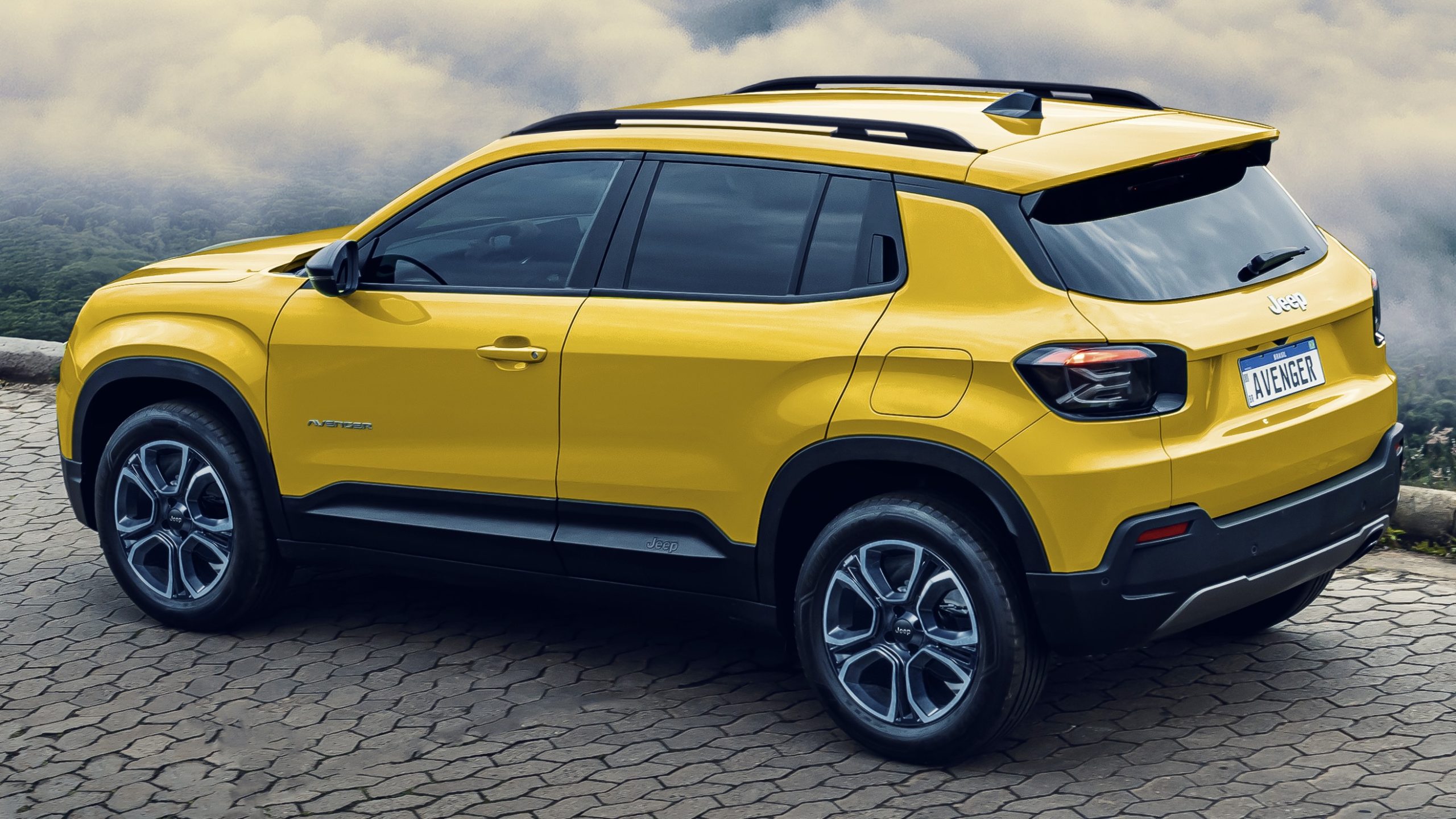
Dimensionally, the Avenger slots right into Brazil’s fiercely competitive entry-level SUV segment. It measures 4.08 meters (160.6 inches) in length, 1.78 meters (70.1 inches) in width, and 1.53 meters (60.2 inches) in height, riding on a 2.56-meter (100.8-inch) wheelbase. Cargo space checks in at a very usable 380 liters (about 13.4 cubic feet), putting it right in line with key rivals.
That places the Avenger head-to-head with models like the Fiat Pulse, Renault Kardian, and Volkswagen Tera—vehicles that prioritize efficiency, technology, and urban-friendly dimensions.
Trim Levels And Design Direction –
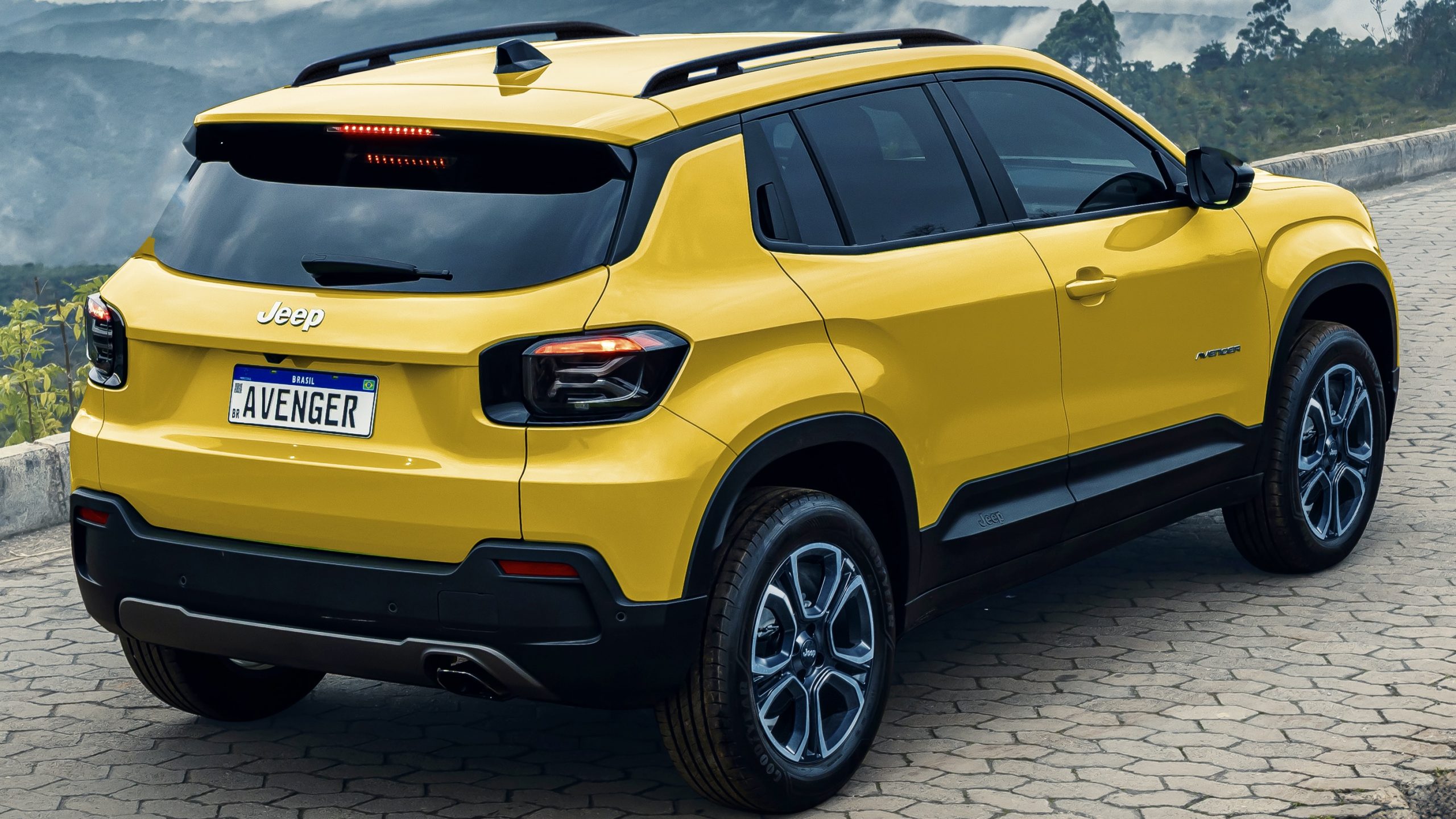
As previously reported, the Brazilian Avenger lineup is expected to include Altitude, Longitude, 85th Anniversary, and Sahara trims. While the vehicle will be sold as a 2027 model, its exterior design will closely mirror the European Avenger at launch. Any major visual changes are planned for later updates.
Inside, however, Jeep is said to be dialing things up a notch. The Brazilian-market Avenger should receive a more refined interior finish than its European counterpart, while keeping the same overall layout and design. One notable exterior tweak will appear at the rear, where the taillights will feature a new internal lighting signature.
A Strategic Piece For Jeep Brazil –
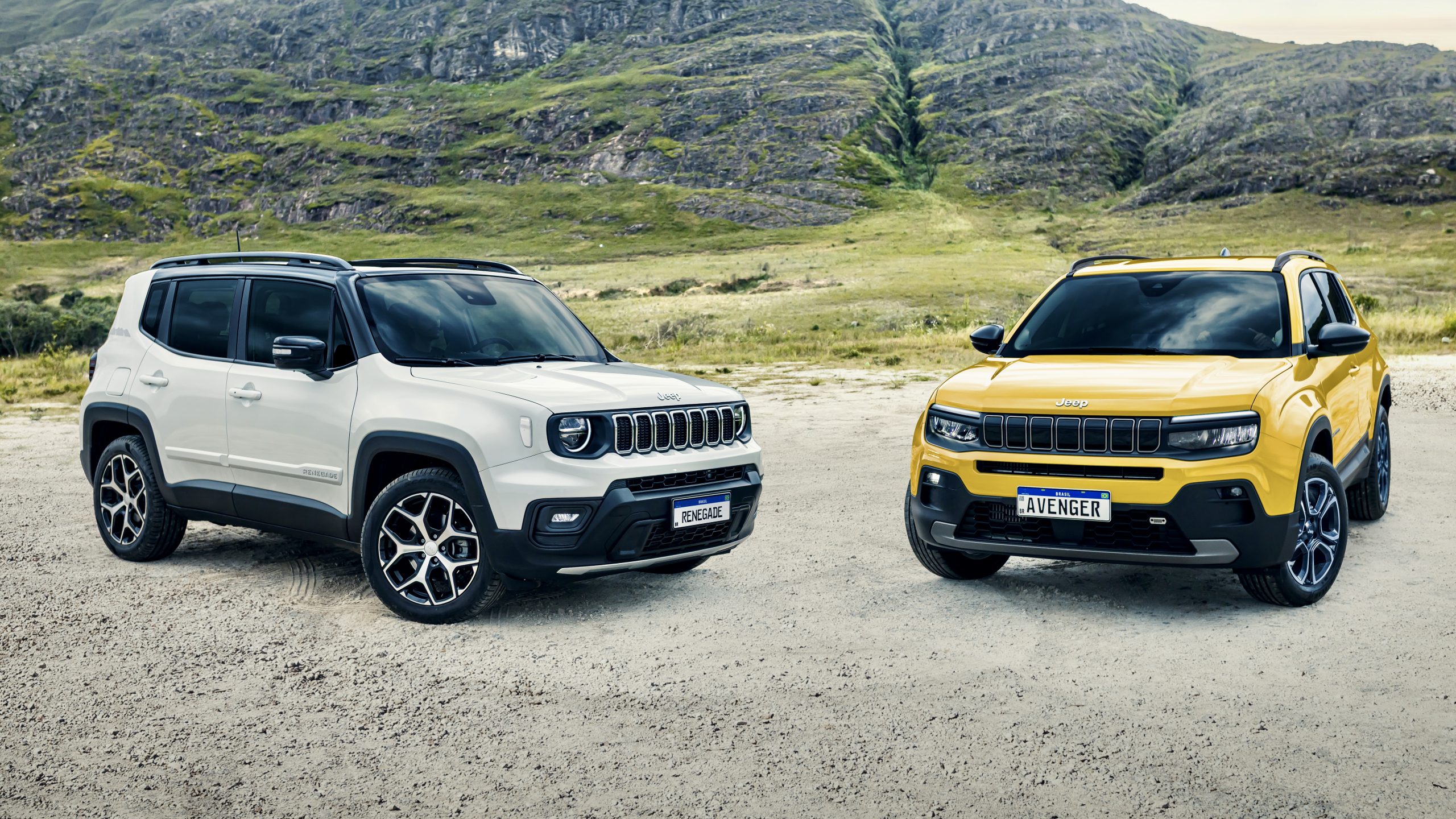
For Jeep, the Avenger represents more than just another nameplate. It’s a key step in expanding the brand’s footprint in Brazil’s lower SUV segments, while aligning with Stellantis’ push toward electrification through affordable hybrid solutions. If the testing pace is any indication, expect to hear a lot more about the Avenger as its official debut draws closer.