Ford Follows Ram’s Lead, Pulls the Plug on the All-Electric Lightning
The Extended-Range (EREV) Era Takes Over

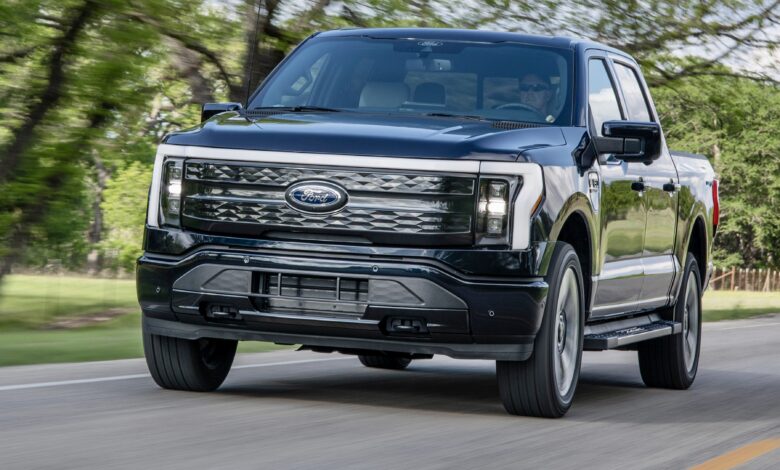
For the better part of the last decade, Detroit has pushed hard toward fully electric pickup trucks. Some of that momentum is now slowing, and the market is speaking loudly. Earlier this year, Ram made headlines by backing away from a pure battery-electric Ram 1500 REV and instead putting its full weight behind the extended-range electric Ramcharger. At the time, critics questioned the move.
Now, those critics are getting their answer—straight from Dearborn.
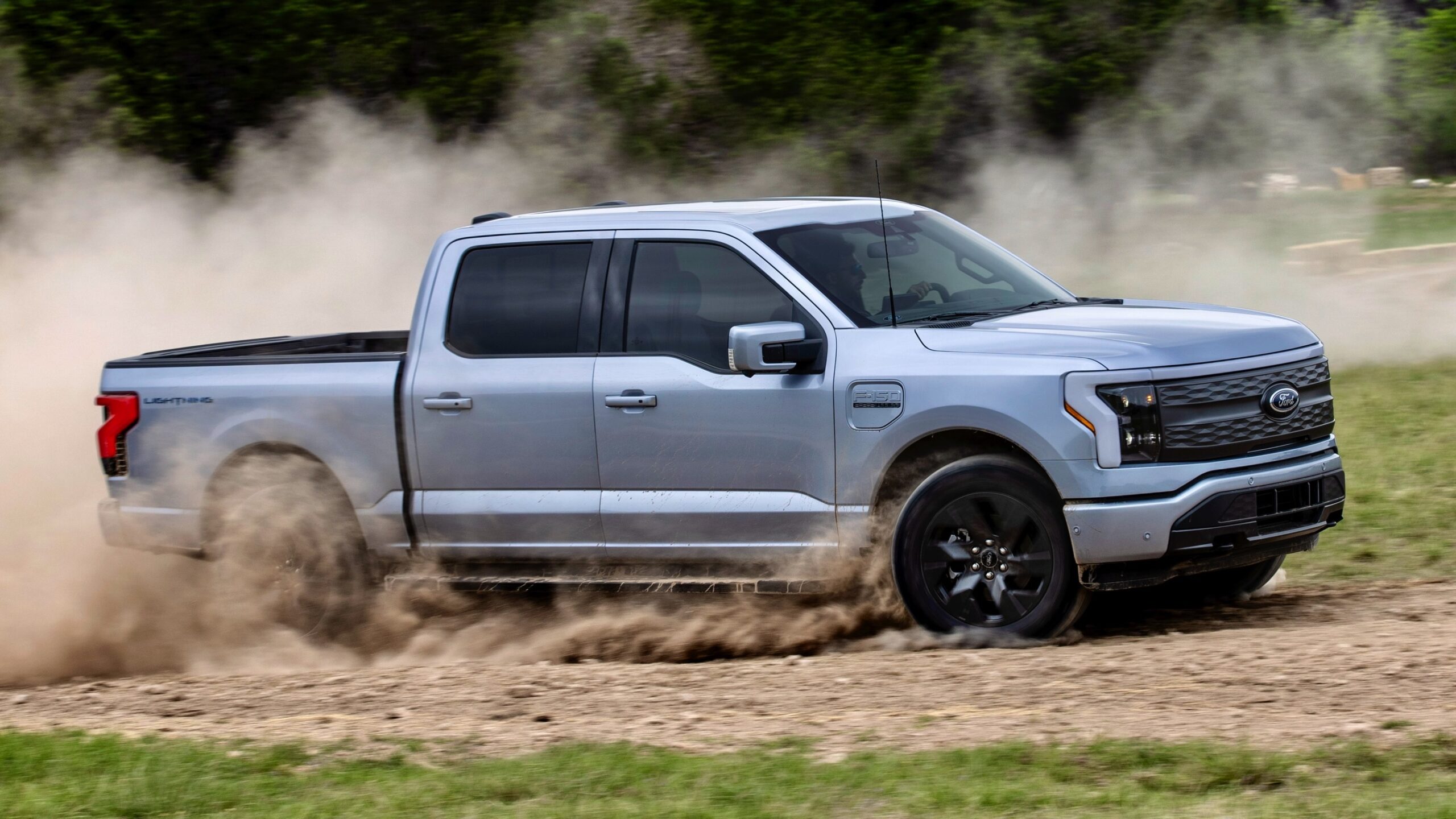
Ford has effectively killed the all-electric F-150 Lightning as we know it and is pivoting to an extended-range electric vehicle (EREV) strategy for its next-generation electric pickup. In other words, Ford is following the same path Ram already chose.
The writing has been on the wall for a while. Sales of large, fully electric trucks have not met early expectations, especially when real-world towing, cold weather, and long-distance use come into play. Ford has already stopped producing the current F-150 Lightning, repurposing the Rouge Electric Vehicle Center to build gas-powered F-Series trucks. What was once described as a temporary shift is now permanent.
Instead of doubling down on a pure EV, Ford is rethinking its entire strategy.
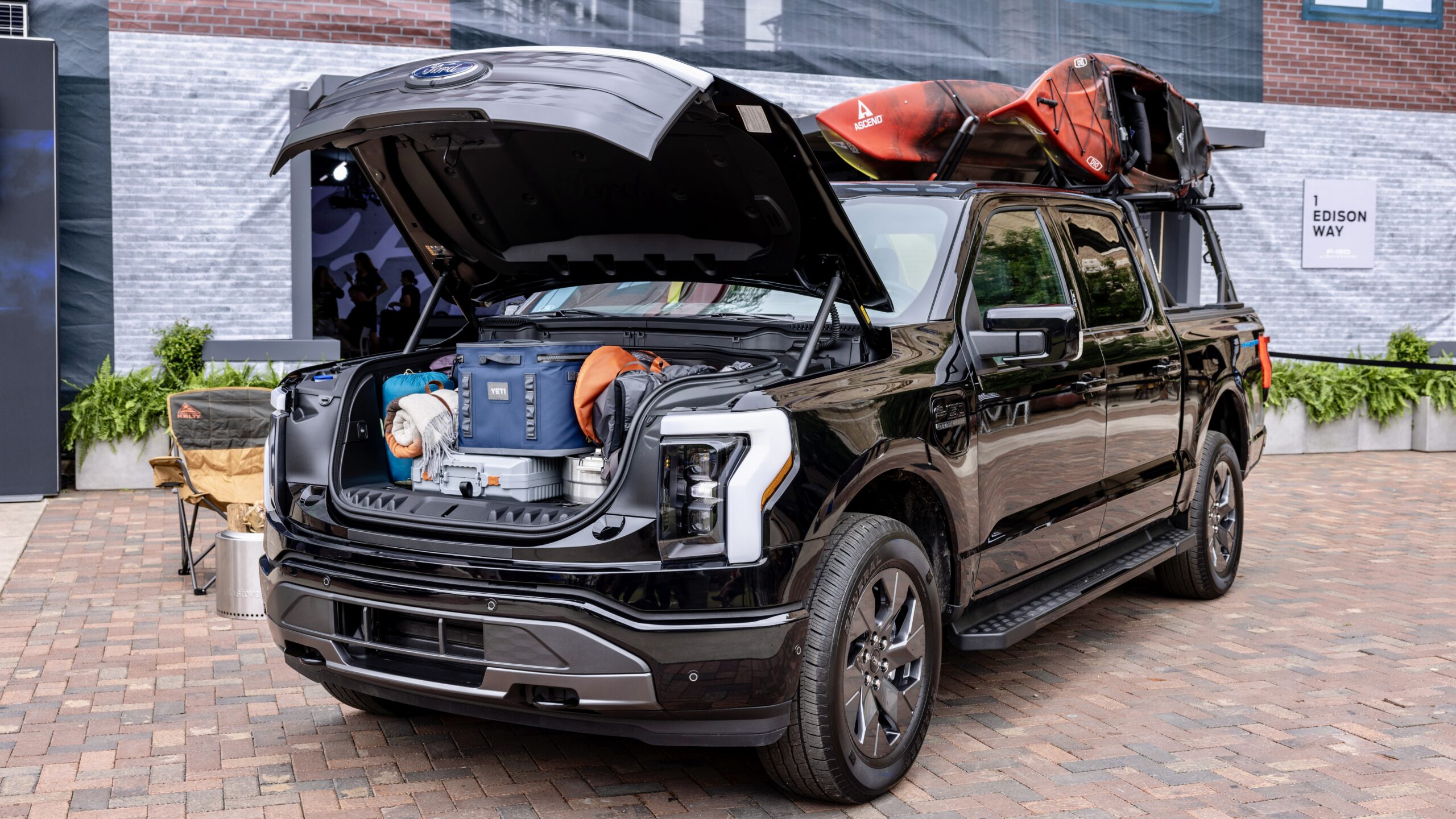
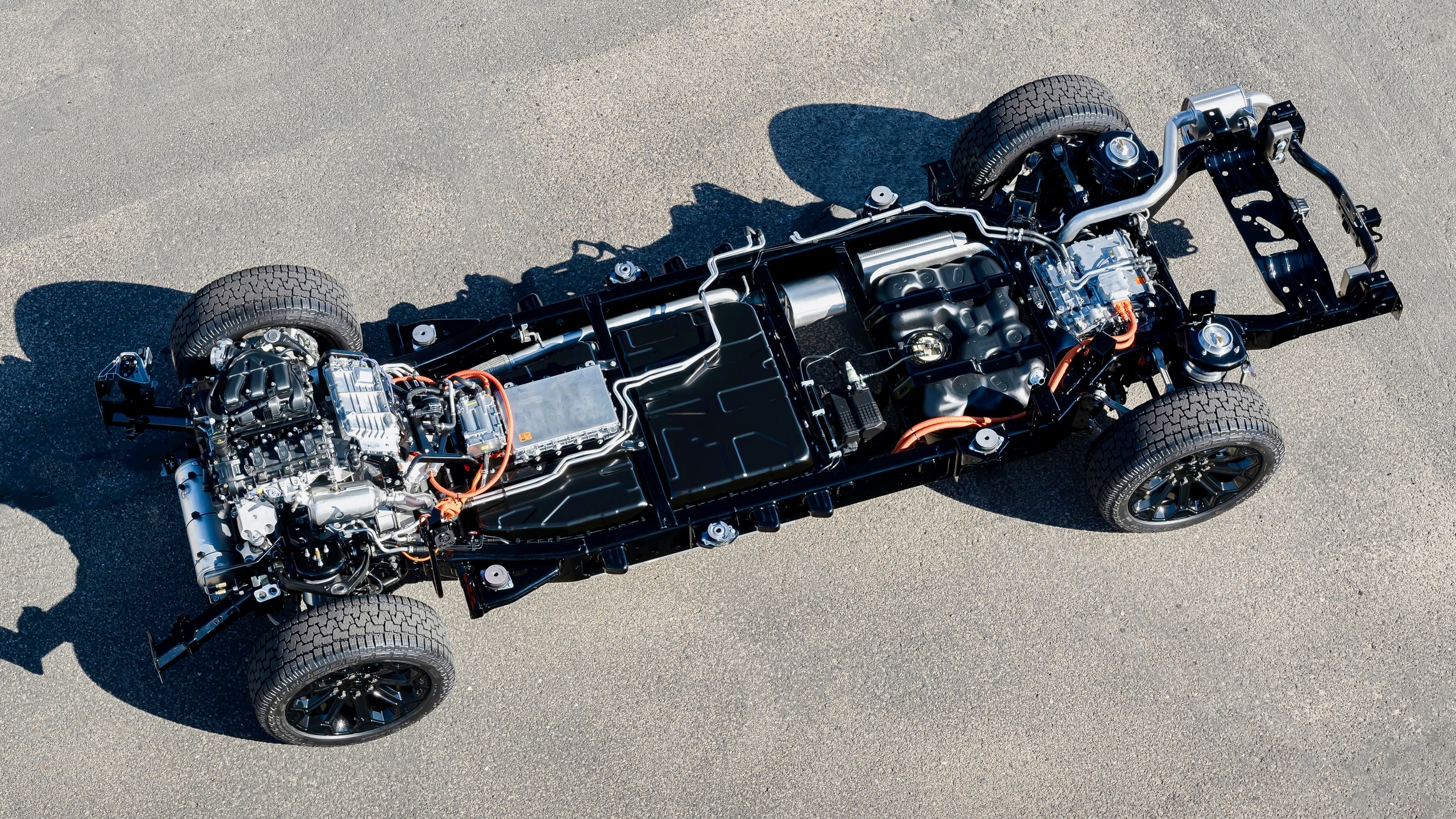
The next-generation F-150 Lightning will no longer be a battery-only truck. When it returns, it will be built on an EREV architecture—an electric drivetrain backed by a gasoline engine that works strictly as a generator. The wheels are still driven by electric motors, but the onboard engine eliminates the biggest complaint EV truck owners have voiced: range anxiety.
Ford estimates the upcoming Lightning EREV will deliver more than 700 miles of total driving range. That figure alone explains why the company is willing to absorb a massive financial hit—roughly $19.5 billion—after already launching and developing the Lightning EV program.
This is where Ram’s earlier decision starts to look less controversial and more forward-thinking.
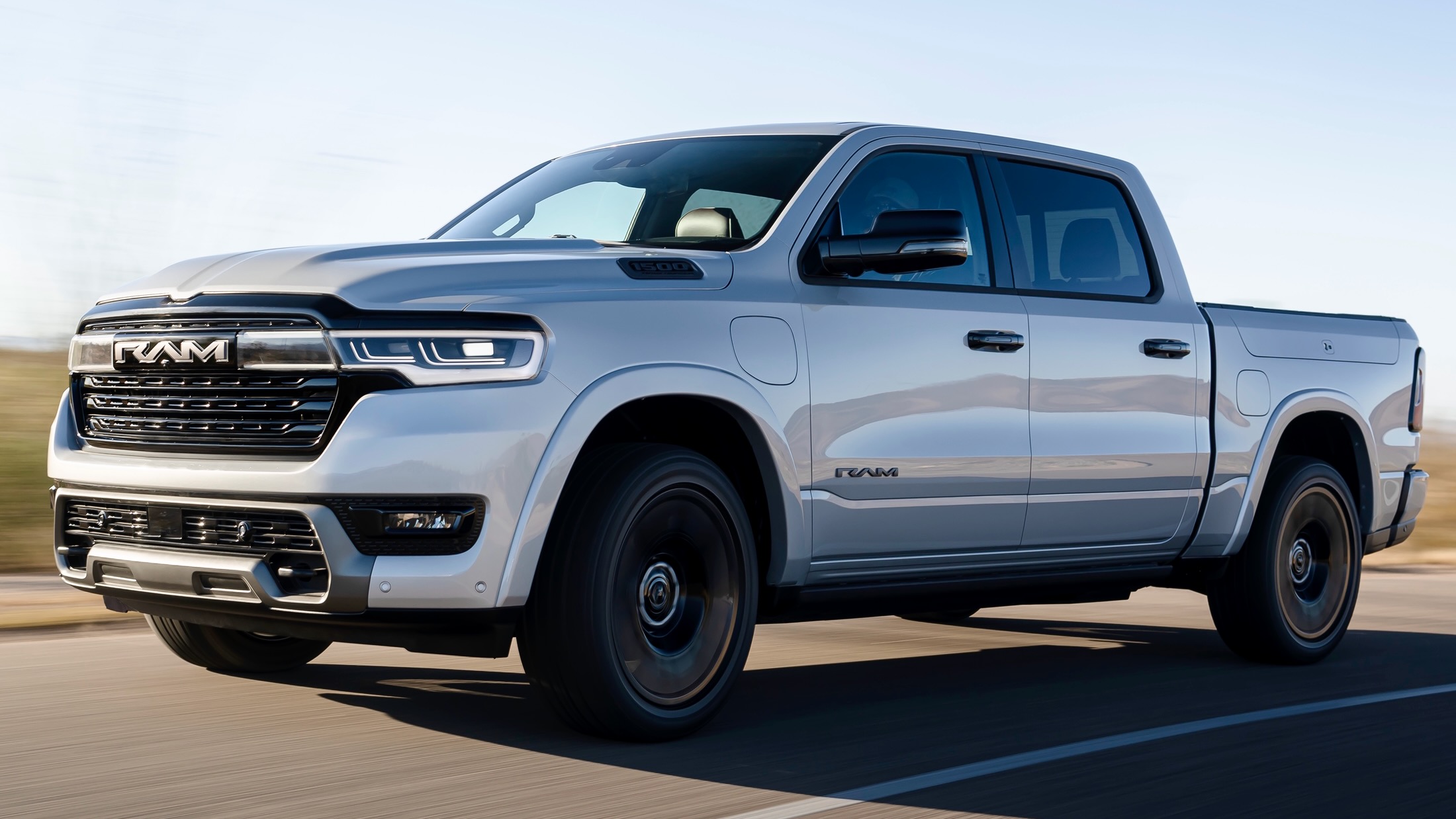
Stellantis initially planned to offer two electric Ram 1500 models: a full battery-electric REV and the extended-range Ramcharger. As the EV truck market softened, Ram delayed and eventually canceled the pure EV, choosing to focus exclusively on the EREV solution. That decision now appears aligned with where customer demand is actually headed.
Ford CEO Jim Farley summed up the reasoning bluntly, saying, “Rather than spend billions more on these large EVs that we had planned that have no path to profitability, we’re going to pour our investments into higher margin areas — more American-built trucks, more American-built vans, hybrids across our lineup, and even affordable EVs built in Kentucky. And we’re going to go into the energy storage business in the Midwest, make our country stronger,” Farley said to Fox News.
That statement signals a broader industry shift. It’s no longer EV-at-any-cost. It’s about building trucks that people can afford, use, and rely on—especially in America’s heartland, where towing, hauling, and long distances are part of everyday life.
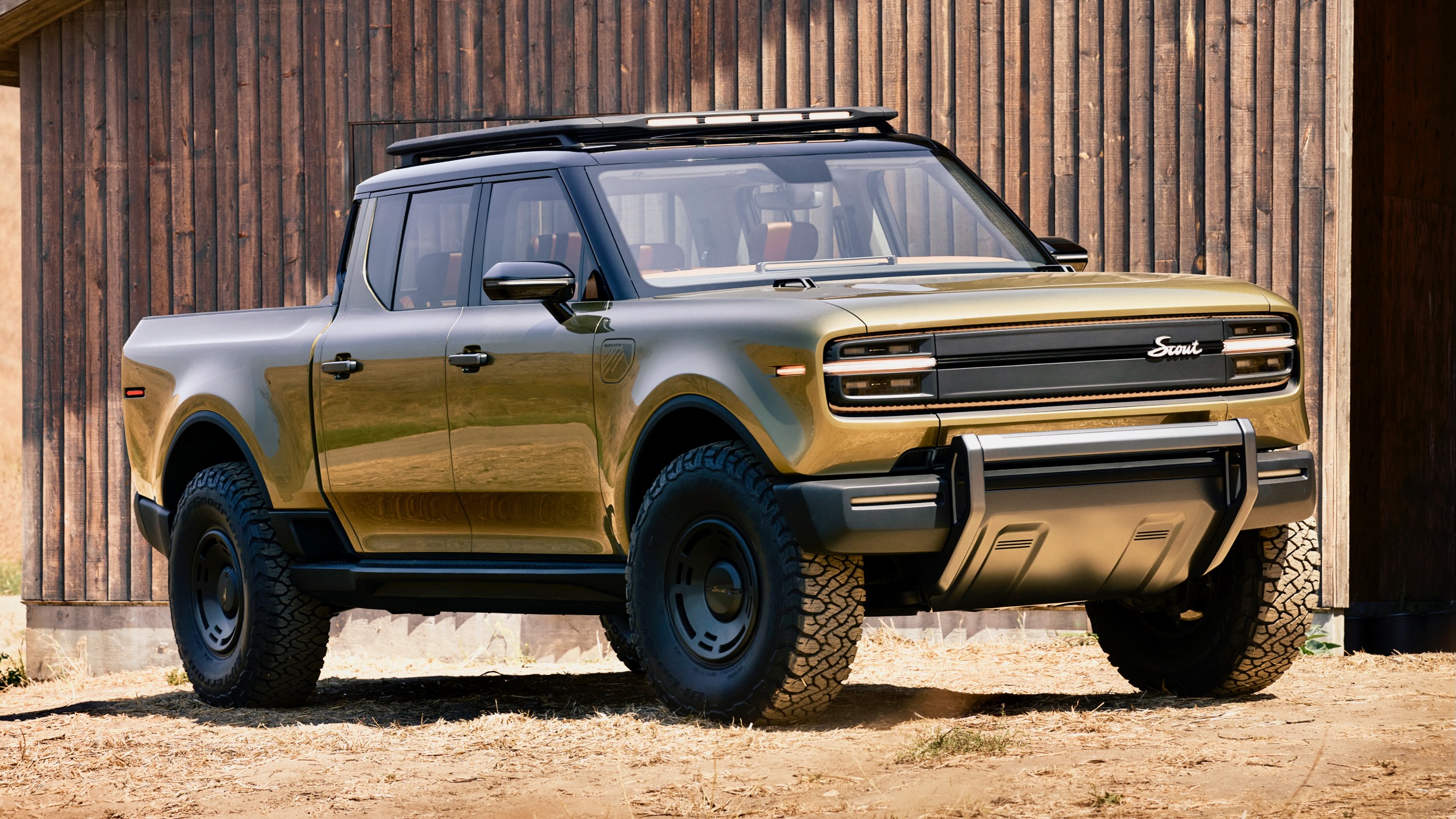
Volkswagen’s Scout brand has also announced plans for extended-range electric trucks and SUVs, further reinforcing that EREV technology is becoming the new bridge between internal combustion and full electrification.
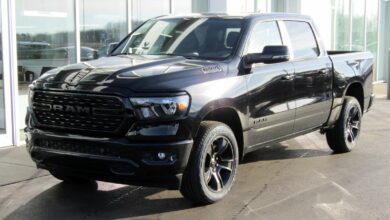
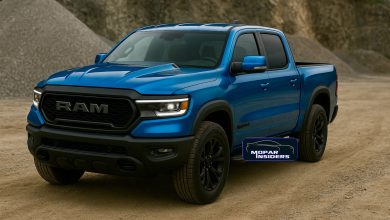
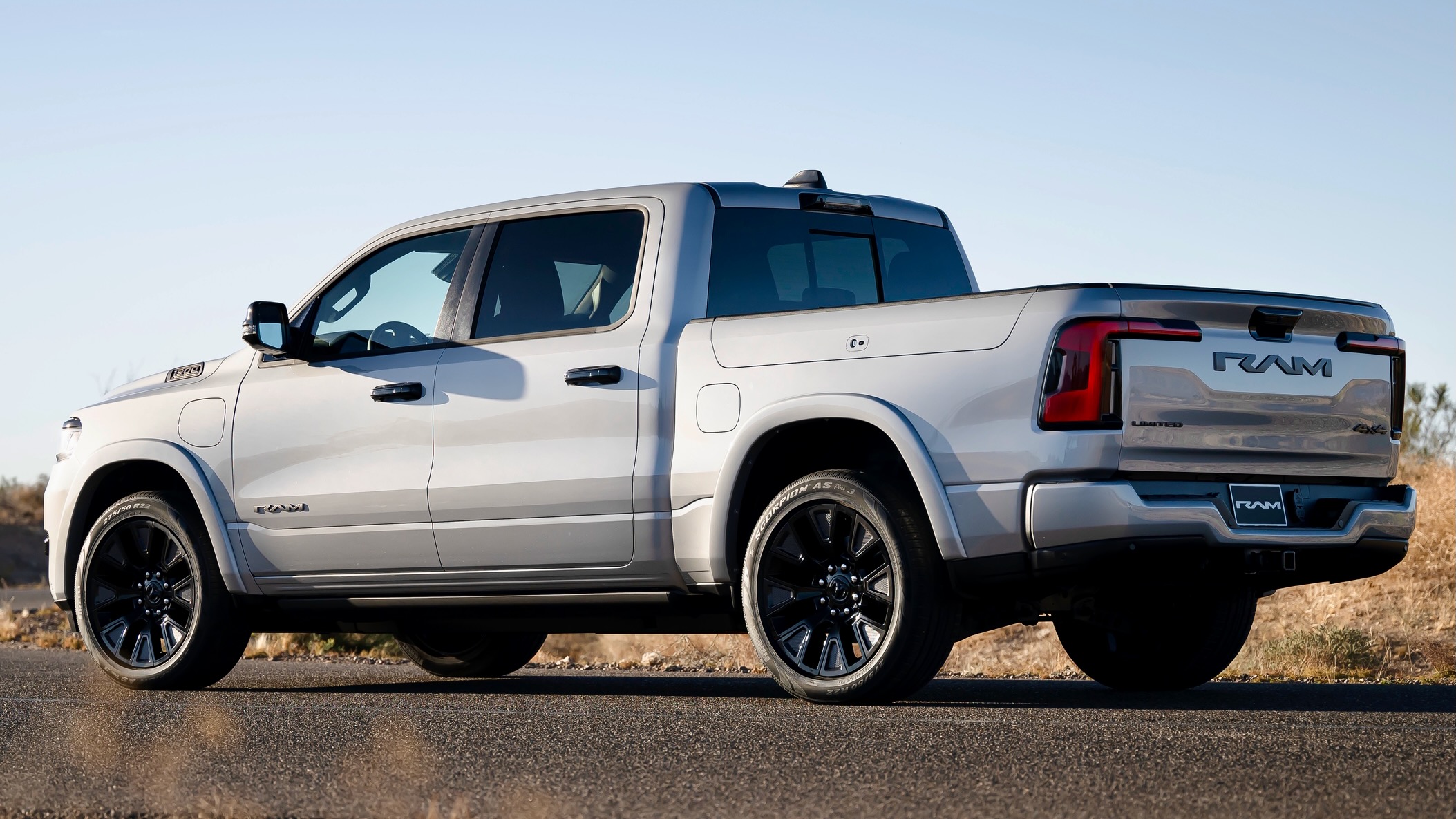
Meanwhile, Ram is preparing to bring its EREV truck to market first. The 2026 Ram 1500 REV—formerly known as the Ramcharger—is engineered to calm range anxiety without sacrificing performance. It pairs a liquid-cooled 92 kWh battery with a 3.6-liter Pentastar V6 that functions solely as a generator. Total system output checks in at 647 horsepower and 610 lb.-ft. of torque, good for a 0–60 mph run in about 4.5 seconds.
Ram is targeting up to 690 miles of total range, along with a towing capacity of up to 14,000 lbs and a payload rating of 2,625 lbs. It also supports bi-directional charging, allowing owners to power homes, job sites, or equipment directly from the truck.
Ford hasn’t released detailed specs yet for its Lightning EREV, nor has it confirmed a launch date. What it has confirmed is direction—and that direction mirrors Ram’s playbook almost step for step.
The pure electric half-ton pickup may not be dead forever, but for now, the market has spoken. Extended-range electric trucks are emerging as the most practical solution for American truck buyers. Ram got there first. Ford just admitted it was right.