
Stellantis Welcomes Fuel Economy Rule Rollback
Filosa Says New Approach Reflects Real Customer Demand

Stellantis emerged as one of the most enthusiastic supporters of President Donald Trump’s newly announced plan to weaken future fuel-efficiency and tailpipe emissions standards. The policy shift, revealed at a White House event attended by Detroit’s major automakers, significantly reduces the pressure to accelerate electric vehicle (EV) adoption. The announcement represents a major strategic win for Stellantis, whose U.S. sales success depends heavily on popular — and fuel-consuming — trucks, SUVs, and muscle cars.
A Regulatory Reset Favoring Stellantis’ Core Products –
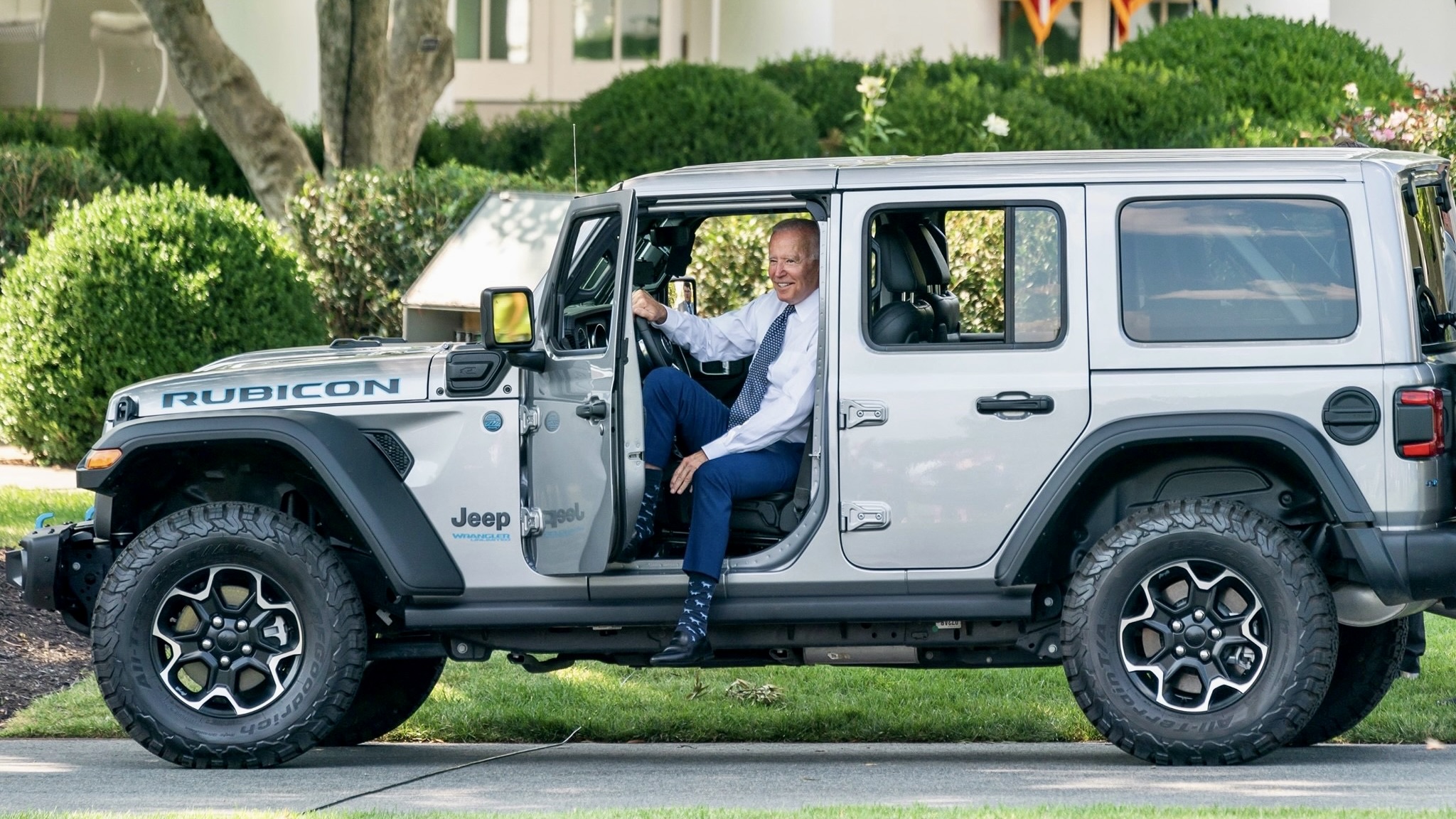
Under the Biden administration, fuel-economy rules were designed to push the national fleet toward an average of more than 50 mpg by 2031, which would have required aggressive electrification across vehicle lineups. Trump’s new proposal drops that requirement to 34.5 mpg — a number more compatible with current consumer behavior.
This shift aligns far better with Stellantis’ internal planning. Brands such as Chrysler, Dodge, Jeep®, and Ram rely heavily on traditional gasoline vehicles with higher performance, towing capability, and size — characteristics that generally work against strict mileage mandates.
Filosa: A “Great Day” for Stellantis Customers –
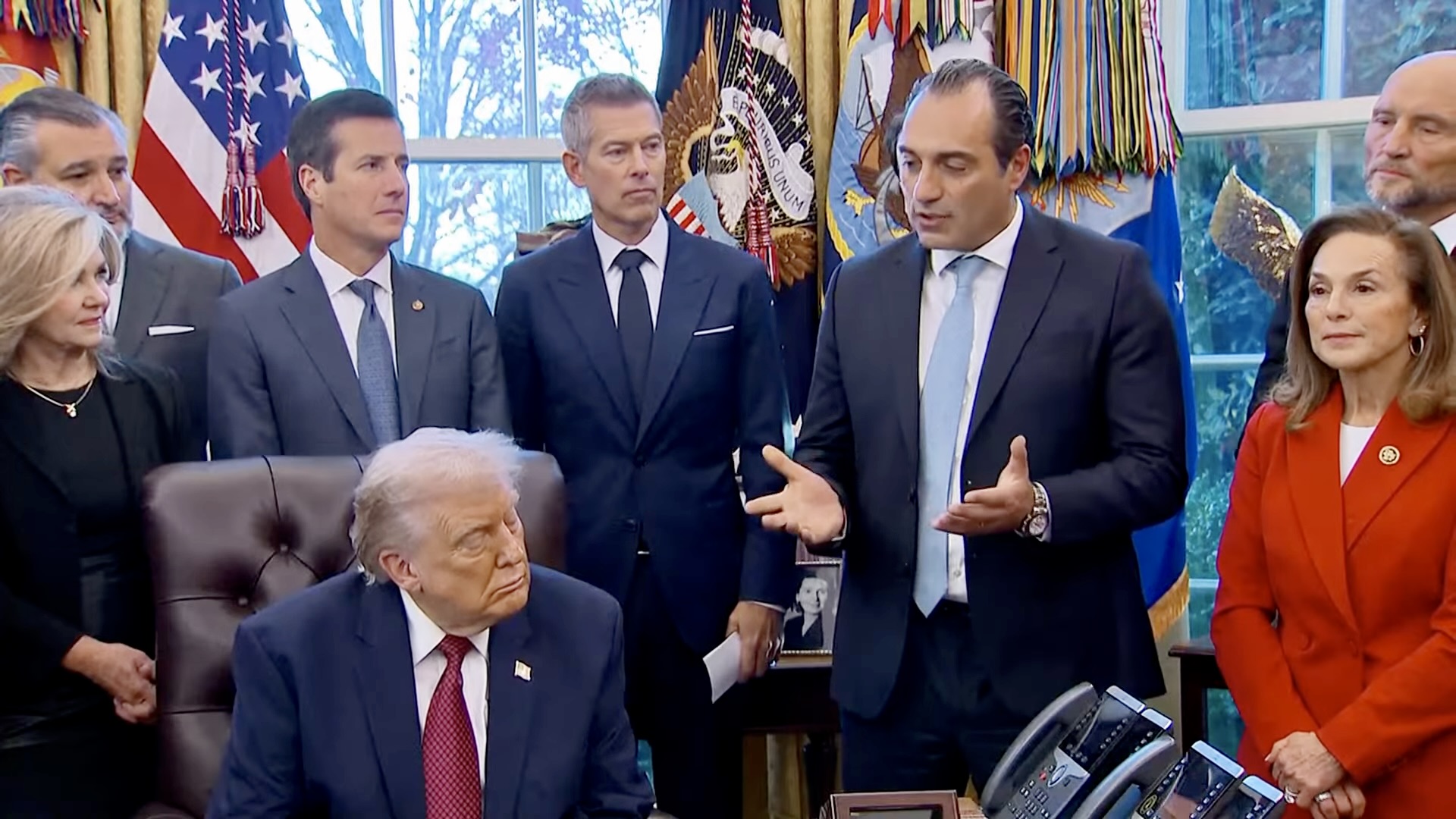
CEO Antonio Filosa spoke directly to how the revised standards support demand-driven manufacturing rather than forced transitions. Standing alongside Trump, he told the audience:
“It’s a great day for us at Stellantis today, because it’s a day where we see CAFE regulation reconciled with real customers’ demand.”
That statement encapsulates Stellantis’ position: consumers — not federal regulators — should shape the powertrain mix sold in U.S. showrooms.
Ford CEO Jim Farley echoed that sentiment, adding:
“Today is a victory for common sense and affordability. We believe that people should be able to make a choice, as you said, Mr. President, and we will invest more in affordable vehicles.”
While Farley’s quote supports the broader industry consensus, Stellantis was noticeably more enthusiastic about the rollback’s immediate benefits to its U.S. portfolio.
Policy Instability Remains a Concern –
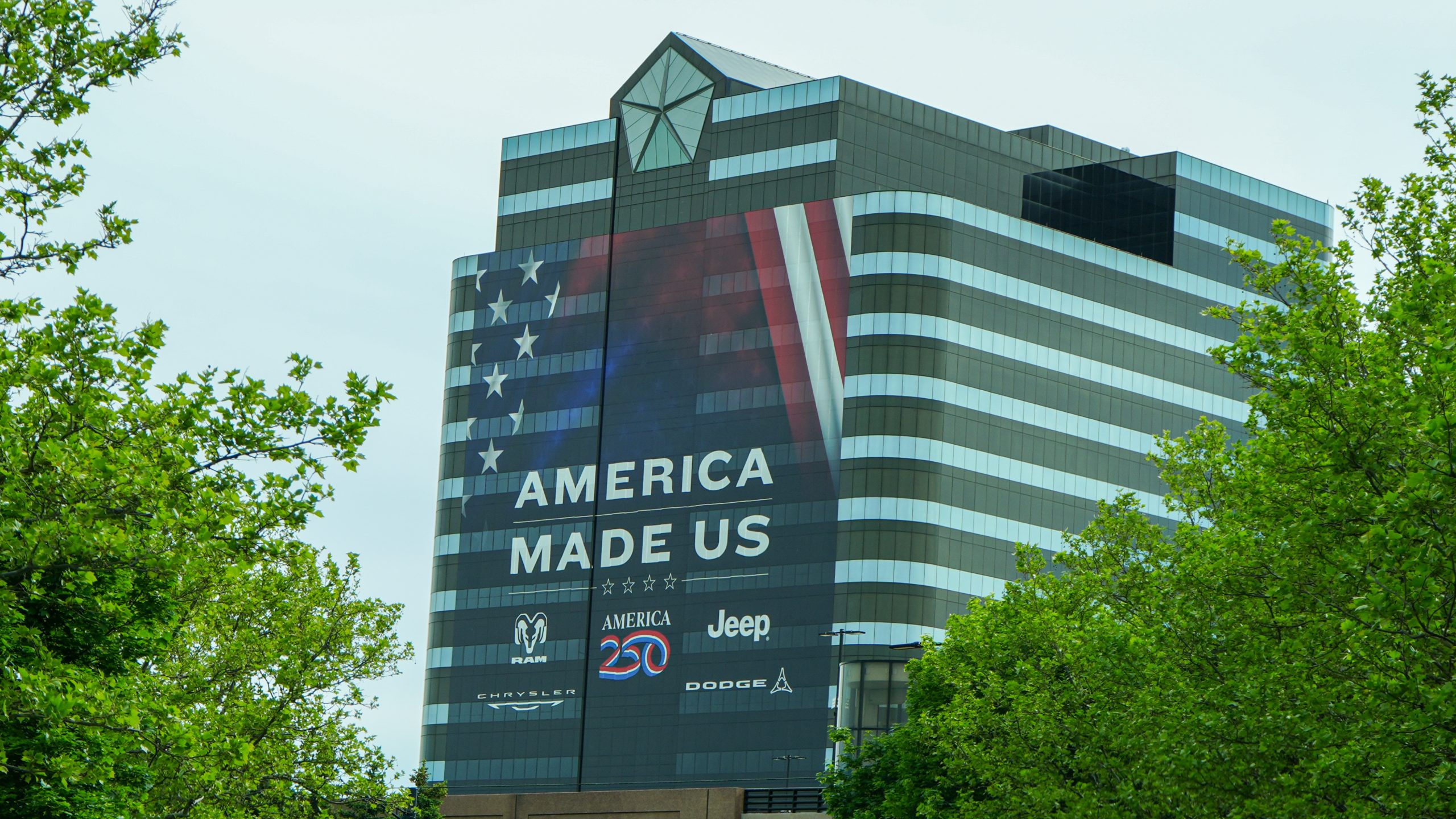
Even as Stellantis celebrates this regulatory shift, industry experts warn that America’s automotive rules continue to swing dramatically from administration to administration. Long-term product planning—typically spanning 8 to 12 years—becomes more complicated, costlier, and riskier when rules change every 4 years.
For the moment, Stellantis enjoys a rare alignment between government policy and its strongest market offerings. Yet the company must still prepare for the possibility of another rapid reversal depending on future election outcomes.
The rollback of fuel-efficiency rules marks a pivotal moment for Stellantis and the Mopar brands it leads. With fewer constraints pushing immediate electrification, the company can continue investing in the vehicles that define its U.S. identity: big trucks, capable SUVs, and performance-driven muscle cars. Filosa’s message was unmistakably clear — and strategically timed — as Stellantis positions itself firmly on the side of consumer choice.
