Stellantis Surpasses Italy Supplier Spending Goal
Automaker Outpaces Its Own Commitment As Italian Production Rebound Begins

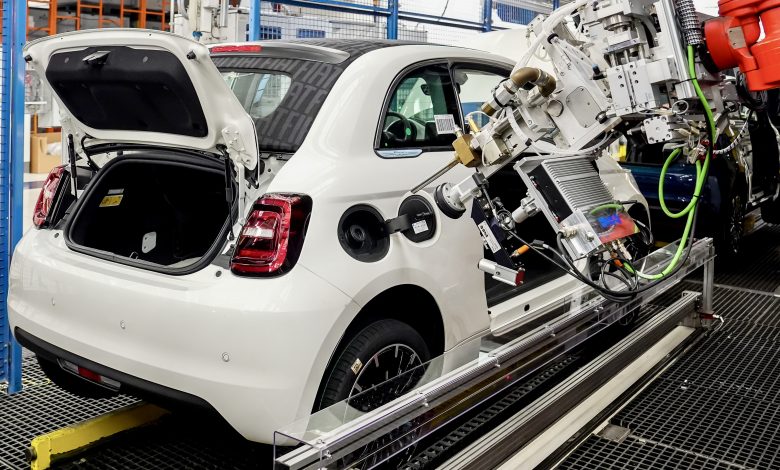
Stellantis is putting real money behind its pledge to rebuild its manufacturing footprint in Italy. Speaking at an event in Rome, Stellantis CEO Antonio Filosa confirmed that the company will close 2025 having spent over €7 billion ($8.1 billion) with Italian suppliers—far above the €6 billion ($6.9 billion) target it originally announced.
“We are closing our accounts and this year we can celebrate having made two billion in investments and seven, not six, billion in purchases from Italian suppliers among systems, components, parts and services,” Filosa said during the annual meeting of Italy’s auto-parts lobby Anfia. That translates to €2 billion ($2.2 billion) in direct investment and €7 billion ($8.1 billion) in procurement for 2025.
The company’s commitment is also a strategic move aimed at reassuring Prime Minister Giorgia Meloni’s government. Stellantis Chairman John Elkann has been working to reinforce confidence that Italy—not just North America—remains a core part of the automaker’s long-term manufacturing plan. Earlier decisions under former CEO Carlos Tavares to shift production to lower-cost regions strained political relationships in Rome.
A Rebound After Years of Decline –
Stellantis’ Italian output had reached crisis levels. Vehicle production fell below 500,000 units last year, and 283,000 units in 2024 marked the lowest Italian passenger-car output in nearly 70 years. Union figures showed a 36% decline in Stellantis-built models in Italy during the first nine months of last year.
Filosa acknowledged the downturn but said the investment and supplier spending growth now set the stage for recovery. “It has been a difficult year… but this was a first step which will allow us to make further and more important ones in terms of local development and volumes for our suppliers,” he explained.
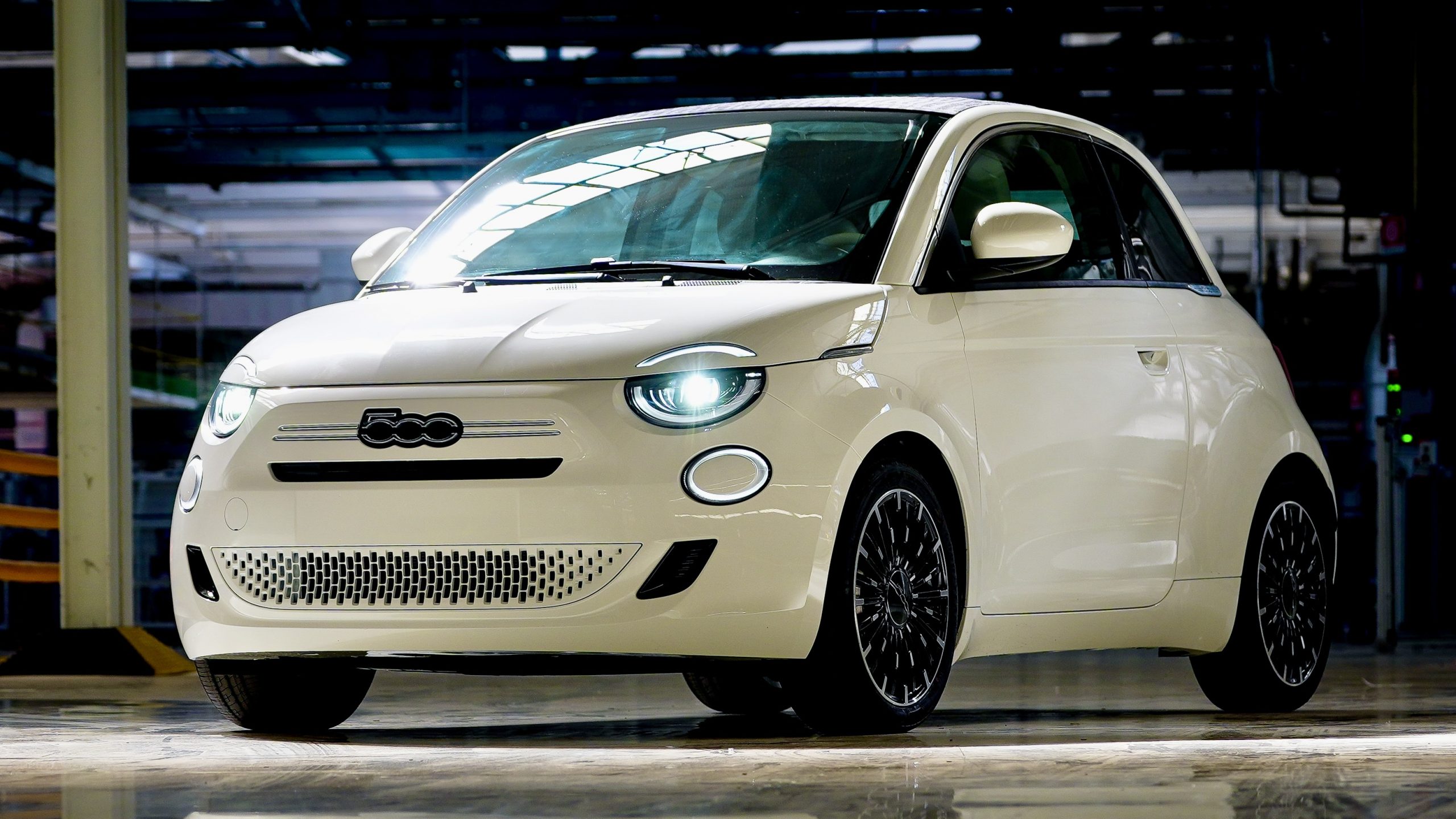
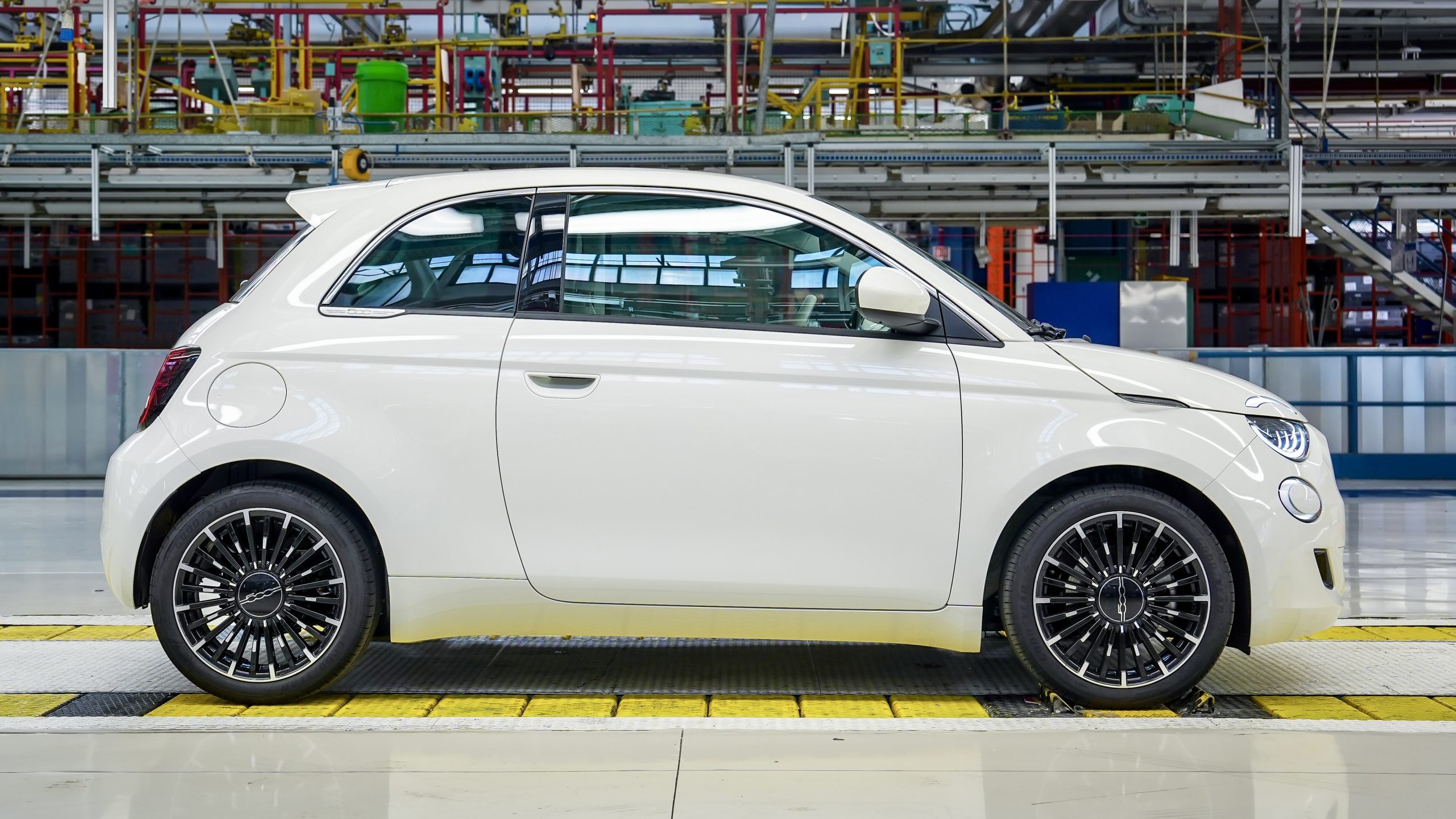
A major part of that rebound is tied to the Mirafiori Assembly Plant in Turin. Stellantis recently pledged to build around 100,000 Fiat 500 Ibridas (hybrids) there beginning next year—injecting new life into Italy’s most historic manufacturing site.
EU Rules Will Shape What Comes Next –
Despite the new capital flowing into Italy, Filosa warned that Europe’s upcoming emissions decisions will heavily influence the industry’s next chapter. “These decisions will impact (the auto industry) over the next 10, 15, 20 years,” he said, referring to the European Union’s Dec. 16 regulatory review.
Stellantis, along with several EU nations, is pushing for more flexibility on the 2035 zero-emission mandate, which effectively bans new combustion-engine vehicle sales. Filosa recently supported Germany’s call to allow “plug-in hybrids (PHEVs) and highly efficient combustion engines beyond 2035,” arguing that slower-than-expected EV adoption and Chinese competition require a more gradual transition.
Source: Reuters