

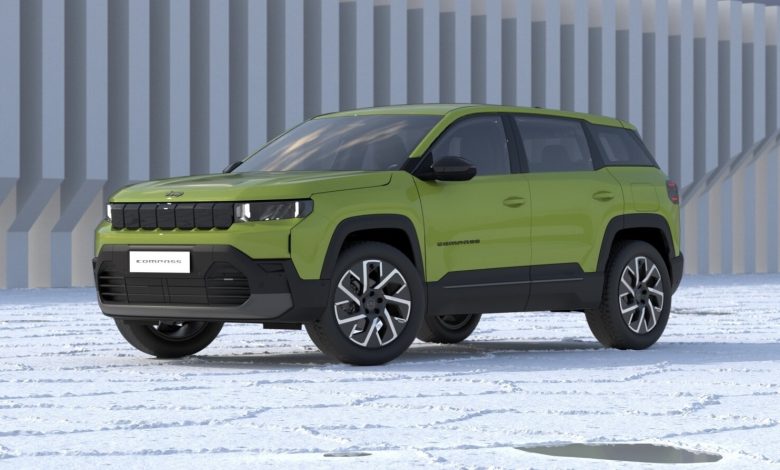
Jeep® continues to broaden the appeal of its compact SUV by quietly adding a new plug-in hybrid (PHEV) option to the European Jeep Compass (J4U) lineup. Without a formal press release, the brand has introduced a new e-HYBRID Plug-In variant directly through its online configurator, giving buyers another electrified choice alongside the mild-hybrid and fully electric Compass models already on sale.
Built at Stellantis’ Melfi Assembly Plant in southern Italy, the new Compass PHEV strengthens Jeep’s multi-energy strategy in Europe, offering customers a balance between electric driving capability and traditional gasoline power—without the range anxiety that can come with a full EV.
Plug-In Powertrain Explained –
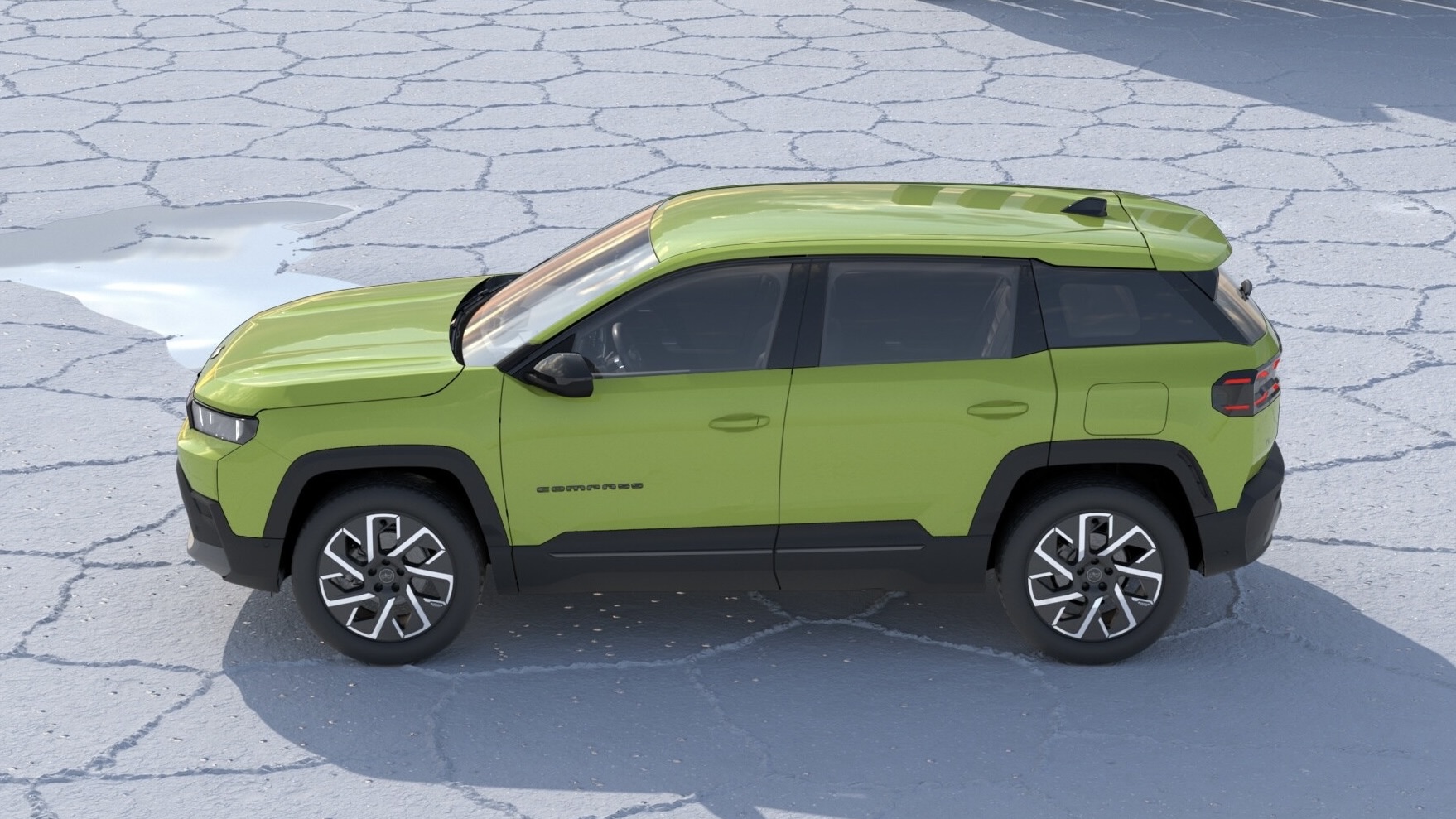
At the heart of the new Compass e-HYBRID Plug-In is a familiar but proven setup. A 1.6-liter four-cylinder gasoline engine is paired with an electric motor and a 7-speed automatic transmission, producing a combined 225 horsepower. That translates to about 168 kW for metric readers. Maximum torque is rated at 350 Nm (258 lb-ft), which is more than enough for daily driving, highway cruising, and confident passing.
Power is delivered to the front wheels, keeping the setup simple and efficient. Top speed is listed at 216 km/h (134 mph), which puts the Compass squarely in line with other performance-oriented compact SUVs in the segment.
Electric Range And Charging –
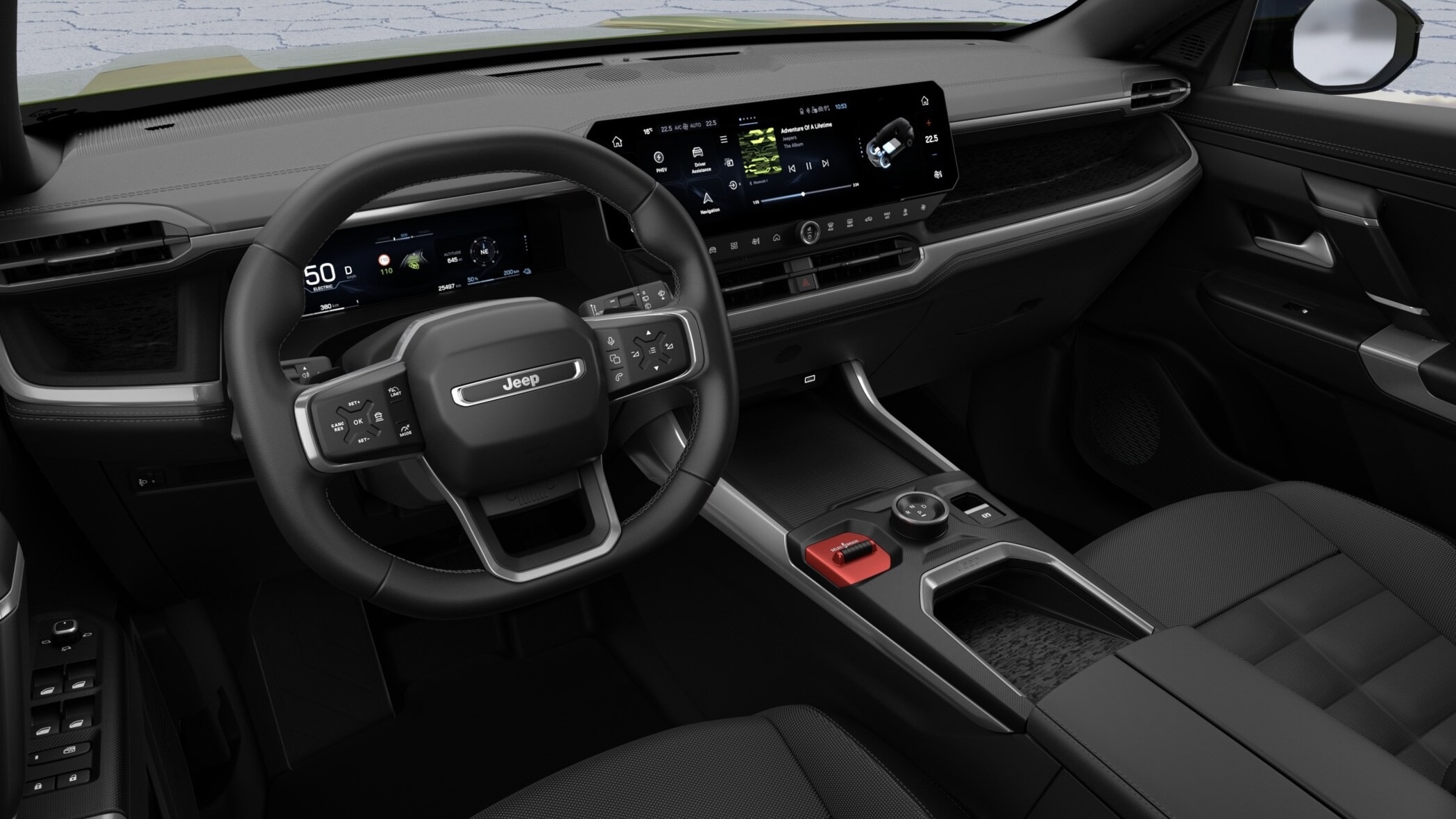
One of the biggest advantages of the new PHEV system is its usable electric range. A 17.9-kWh battery pack allows the Compass to drive 90 to 92 kilometers (56 to 57 miles) on electric power alone under the WLTP cycle. For many owners, that means daily commuting can be done without using any gasoline at all.
When combining a fully charged battery with a full tank of fuel, total driving range reaches up to 983 kilometers (611 miles)—a strong figure for a compact SUV. Charging is handled via AC charging up to 7 kW, allowing a full recharge in roughly three hours, making it easy to top off at home or at public charging stations.
Efficiency Without Sacrificing Usability –
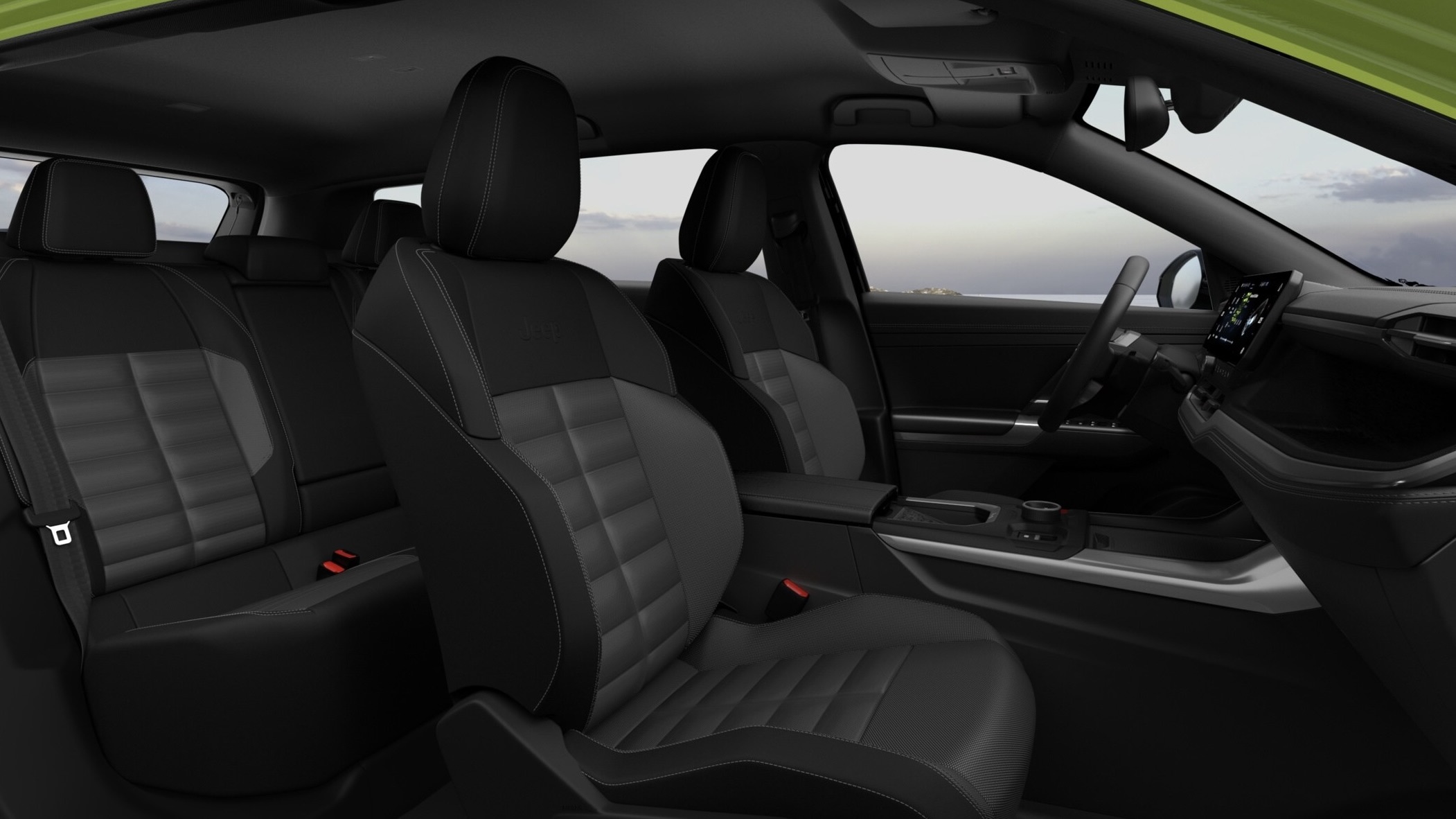
Jeep lists fuel consumption between 2.7 and 2.9 liters per 100 kilometers, under European testing standards. CO₂ emissions are rated between 61 and 63 g/km, reinforcing the Compass PHEV’s role as a lower-emissions option without giving up real-world usability.
Outside of the new powertrain, the Compass remains largely unchanged. Buyers still get the familiar design, interior layout, and technology found across the refreshed Compass lineup unveiled earlier this year.
Trim Levels And Availability –
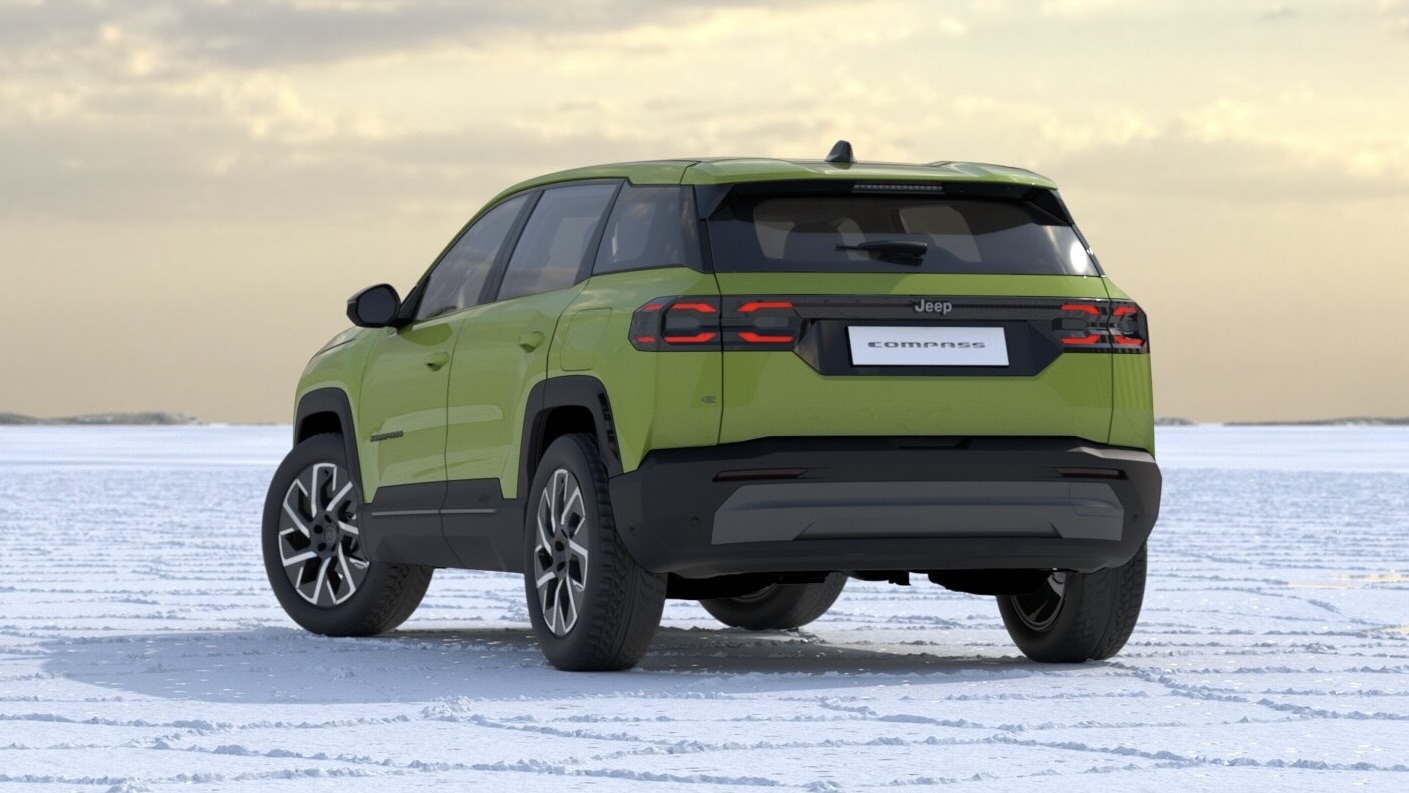
In Europe, the new Jeep Compass e-HYBRID Plug-In is offered in Altitude and First Edition trims, giving customers a choice between a well-equipped core model and a more feature-rich launch configuration.
With this addition, Jeep now offers the Compass in mild-hybrid (mHEV), PHEV, and fully electric (EV) forms—covering a wide range of buyer needs as the European market continues its shift toward electrification.




5 replies
Loading new replies...
Join the full discussion at the Mopar Insiders Forum →