Stellantis CEO: EU’s Softer Gas-Car Ban Still Misses the Mark
Antonio Filosa Says Europe Lacks A Clear Growth Plan For Automakers


Despite headlines suggesting Europe is easing up on its planned 2035 ban on gas-powered cars, Stellantis CEO Antonio Filosa isn’t buying the optimism. In blunt comments to the Financial Times, Filosa made it clear that the European Union’s revised climate package still falls short—and that it does little to encourage more investment from one of the world’s largest automakers.
Brussels recently confirmed that it will soften its zero-emissions mandate by allowing limited use of internal combustion engines after 2035, along with hybrids and partial emissions offsets. But according to Filosa, the changes don’t address the real problem: growth.
“This package does not do the job,” Filosa told the Financial Times. “There are none of the urgent measures needed to return the European automotive sector to growth.”
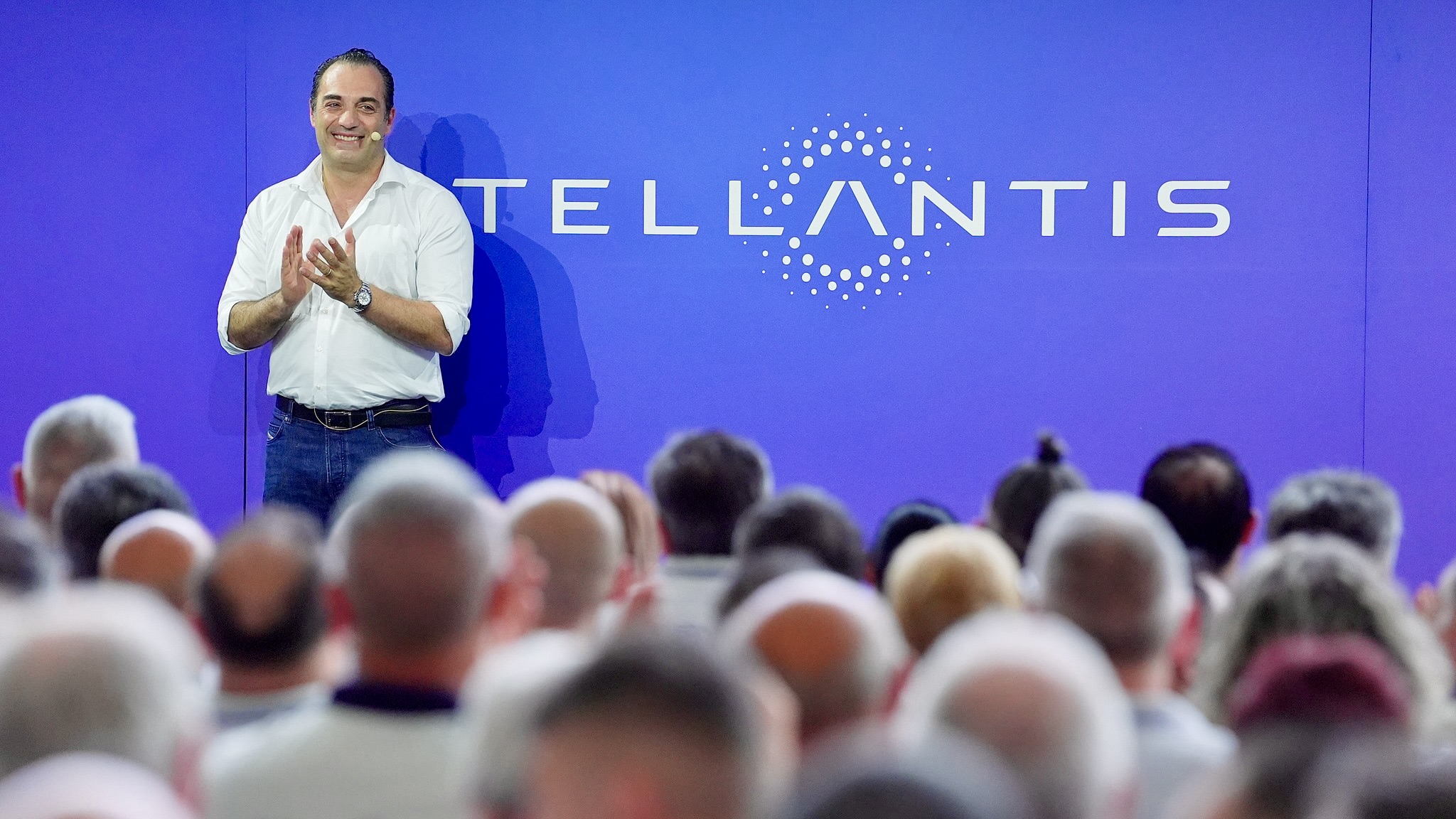
That’s a sharp reversal from the message Stellantis delivered just weeks earlier. Back in November, Filosa had suggested that if Europe relaxed its 2035 rules in a meaningful way, Stellantis could significantly increase investment across the continent. After reviewing the final proposal, however, that door appears to be closing.
“Without growth, it becomes very difficult to think about investing more,” Filosa said. “Without additional investments, it is difficult to build the resilient supply chain that is vital for European jobs, European prosperity and European security.”
At the heart of Stellantis’ frustration is uncertainty. While the EU now allows automakers to retain up to 10% of their 2021 emissions and continue selling some gas and hybrid vehicles, the package adds new requirements. Carmakers would need to offset emissions through measures such as low-carbon steel and sustainable fuels—steps that Filosa argues add complexity and cost without clear payoff.
“This is a measure whose cost may not be within reach for the volume carmakers who serve most of our citizens,” he warned.
Filosa also singled out commercial vehicles as a weak spot in the EU’s plan. Vans and work vehicles are critical to small businesses and local economies, yet he says the policy offers little immediate relief to support their transition to electric power. For automakers that sell high volumes of affordable vehicles, the economics simply don’t add up fast enough.
From Stellantis’ perspective, the contrast with other regions couldn’t be clearer. In the United States, a rollback of EV incentives has pushed automakers back toward hybrids and gas-powered vehicles—moves that Stellantis has embraced with a record $13 billion investment plan. South America, particularly Brazil, has also seen major capital commitments thanks to flexible rules and strong market demand.
Europe, by comparison, looks increasingly uncertain. The ambition remains, but the path forward is muddy. For Filosa, that lack of clarity makes Europe a harder sell inside Stellantis’ global investment strategy.
The message from the CEO is straightforward: easing the gas-car ban sounds good on paper, but without a realistic roadmap for growth, it’s not enough. For now, Europe risks watching investment—and momentum—flow elsewhere.