Cold Temps, Low Tires: Mopar Dad’s Winter Reminder
Why Colder Weather Can Trigger Your TPMS Light—And How To Fix It Fast

As winter settles in across much of the country, Stellantis North America is reminding drivers of something simple, but important: keep an eye on your tire pressure. With “Mopar Dad,” the company is using cold-weather seasonality to educate owners about Tire Pressure Monitoring System (TPMS) warning lights and why they tend to appear this time of year.
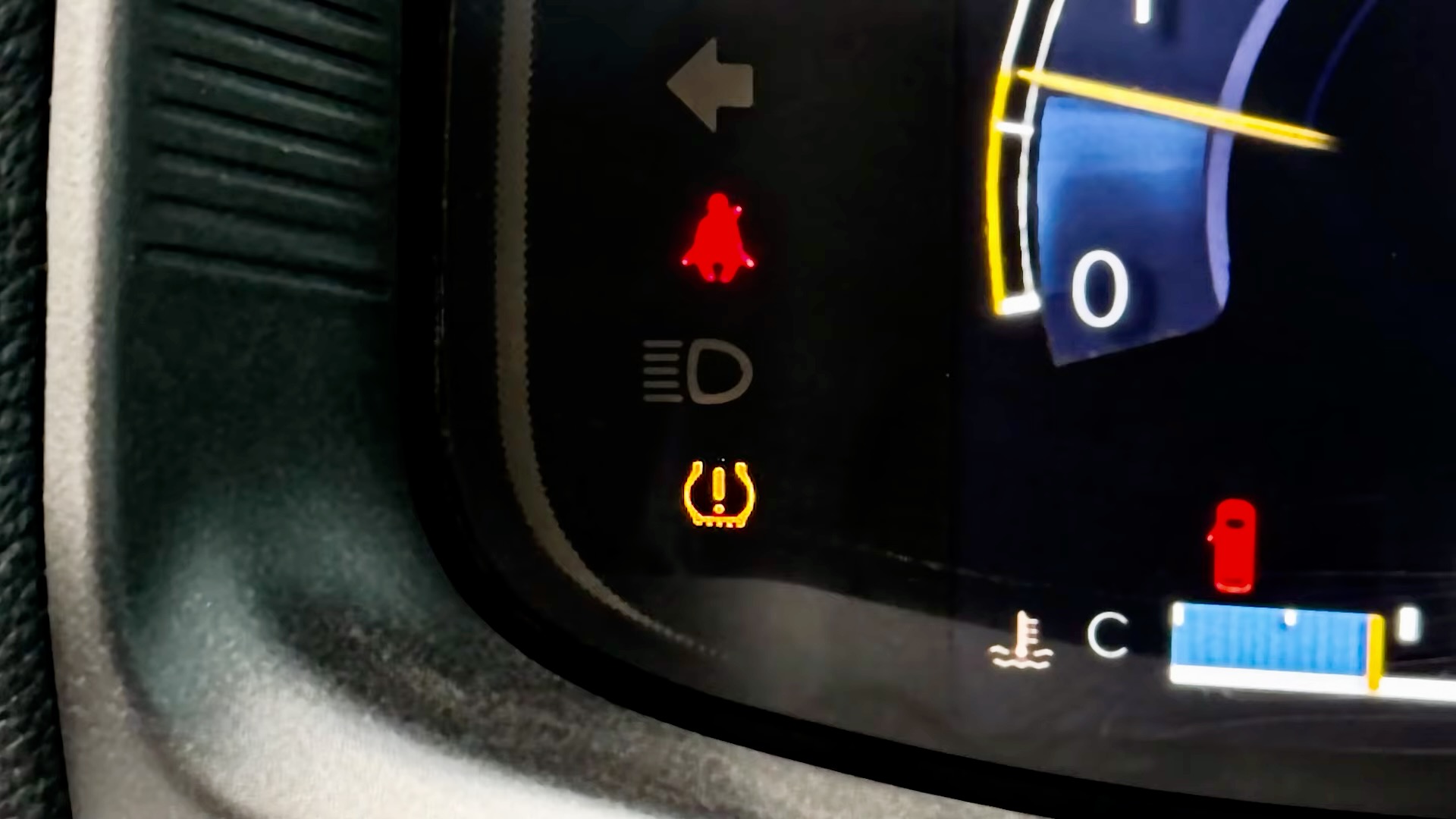
If you’ve ever started your vehicle on a cold morning and noticed the tire pressure warning light glowing on the dash, you’re not alone. It’s one of the most common wintertime alerts, and in most cases, it’s not signaling a puncture or major problem—it’s basic science at work.
As temperatures drop, the air inside your tires contracts. Cold air molecules move more slowly and pack closer together, which reduces the pressure they exert on the tire walls. In real-world terms, tire pressure can drop about 1 to 2 PSI for every 10°F decrease in ambient temperature. A sharp overnight temperature swing can easily lower tire pressure enough to trigger the TPMS light, even if the tires were properly inflated just days earlier.
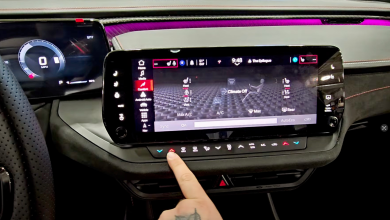
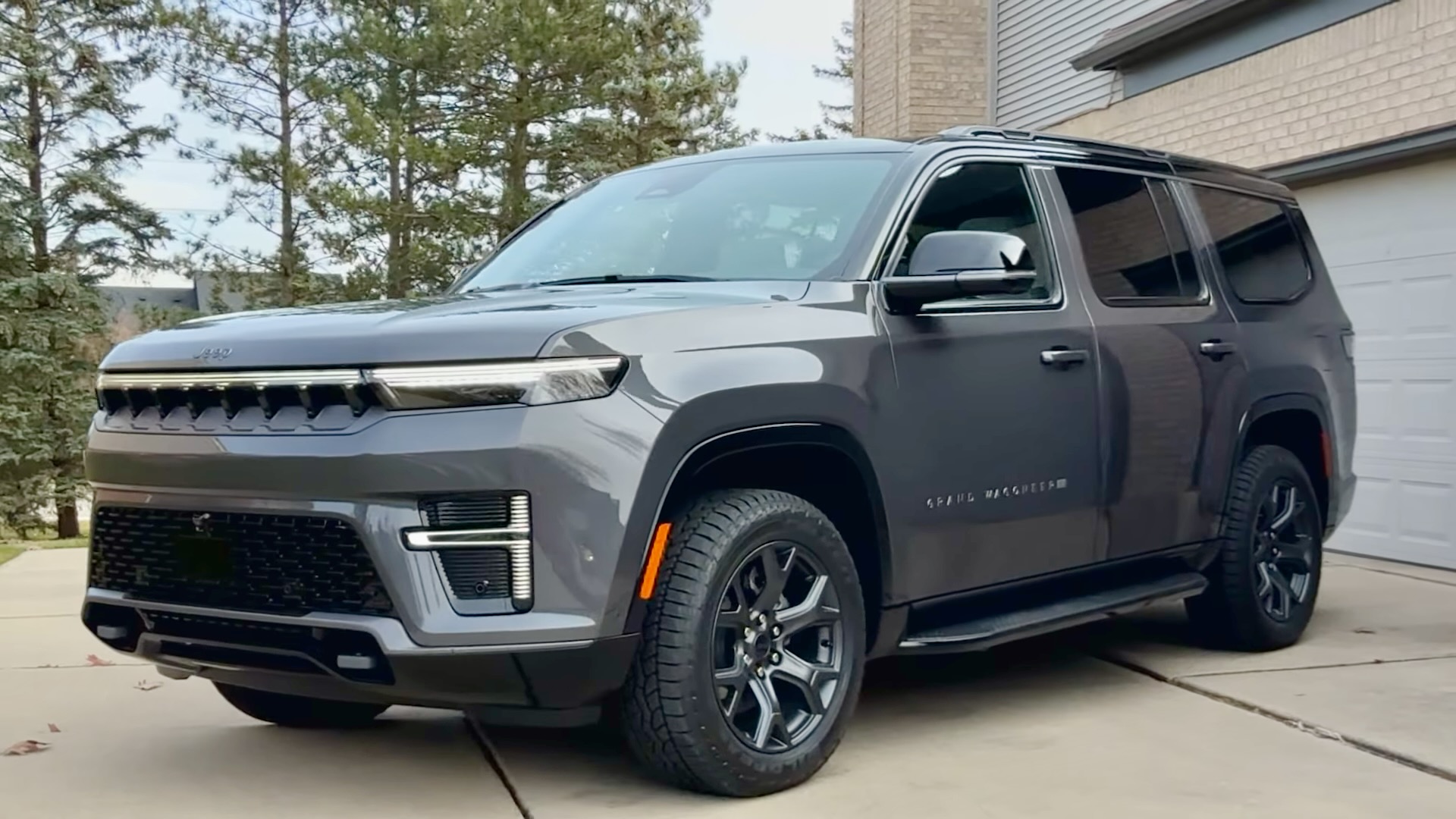
Stellantis highlights that many newer Chrysler, Dodge, Jeep®, and Ram vehicles offer built-in tools to make this easier to manage. Digital tire pressure readouts in the instrument cluster allow drivers to check individual tire pressures without getting out of the vehicle. Even more convenient is the Tire Fill Alert feature available on select models. When adding air, the vehicle will give an audible honk once the correct pressure is reached—taking the guesswork out of the process.
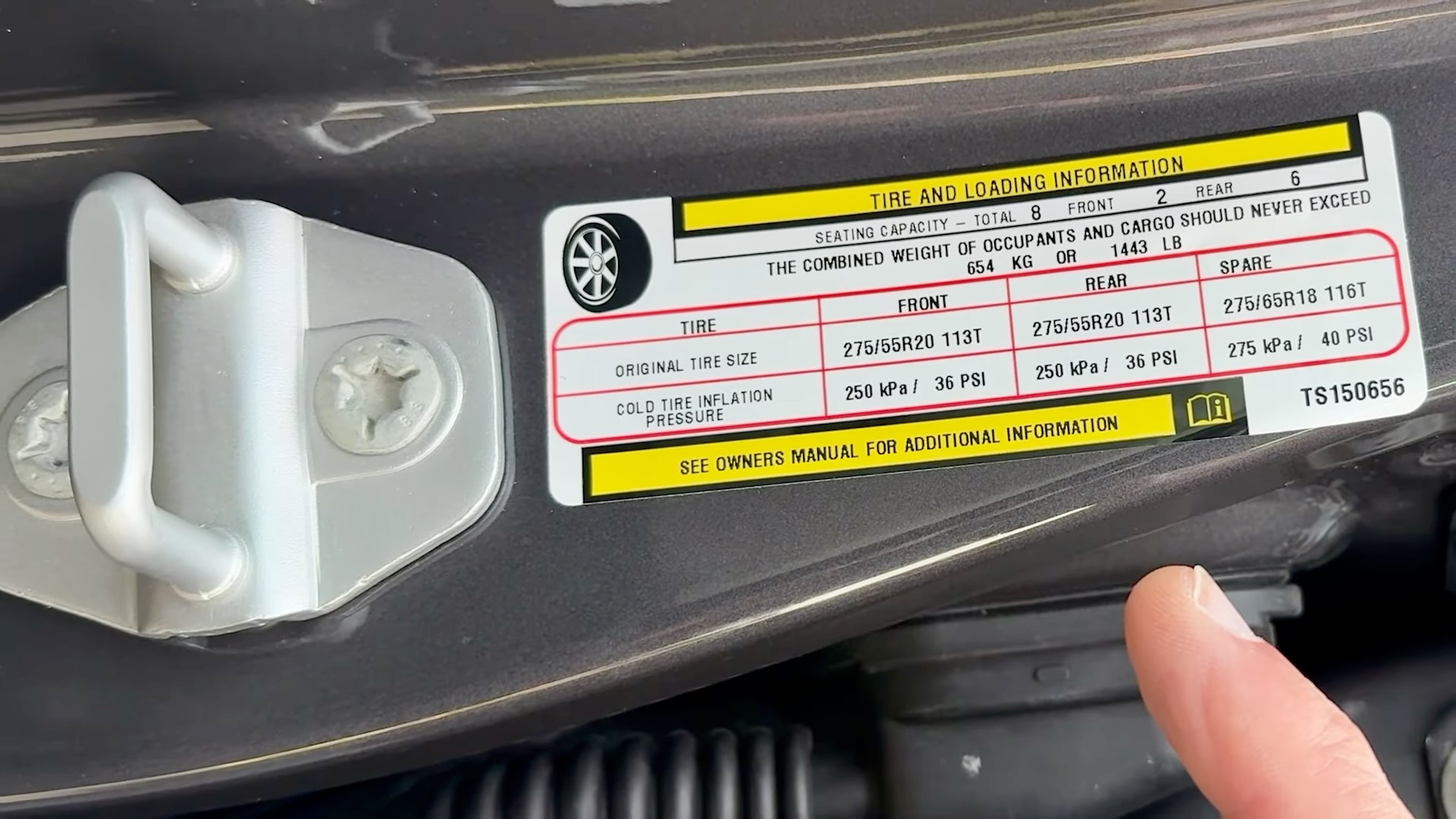
The key is checking and adjusting tire pressure the right way. Tires should always be measured when they’re “cold,” meaning the vehicle has been parked for several hours and hasn’t been driven. This provides the most accurate reading. The recommended tire pressure for your specific vehicle isn’t found on the tire itself, but on the manufacturer label located in the driver-side door jamb.
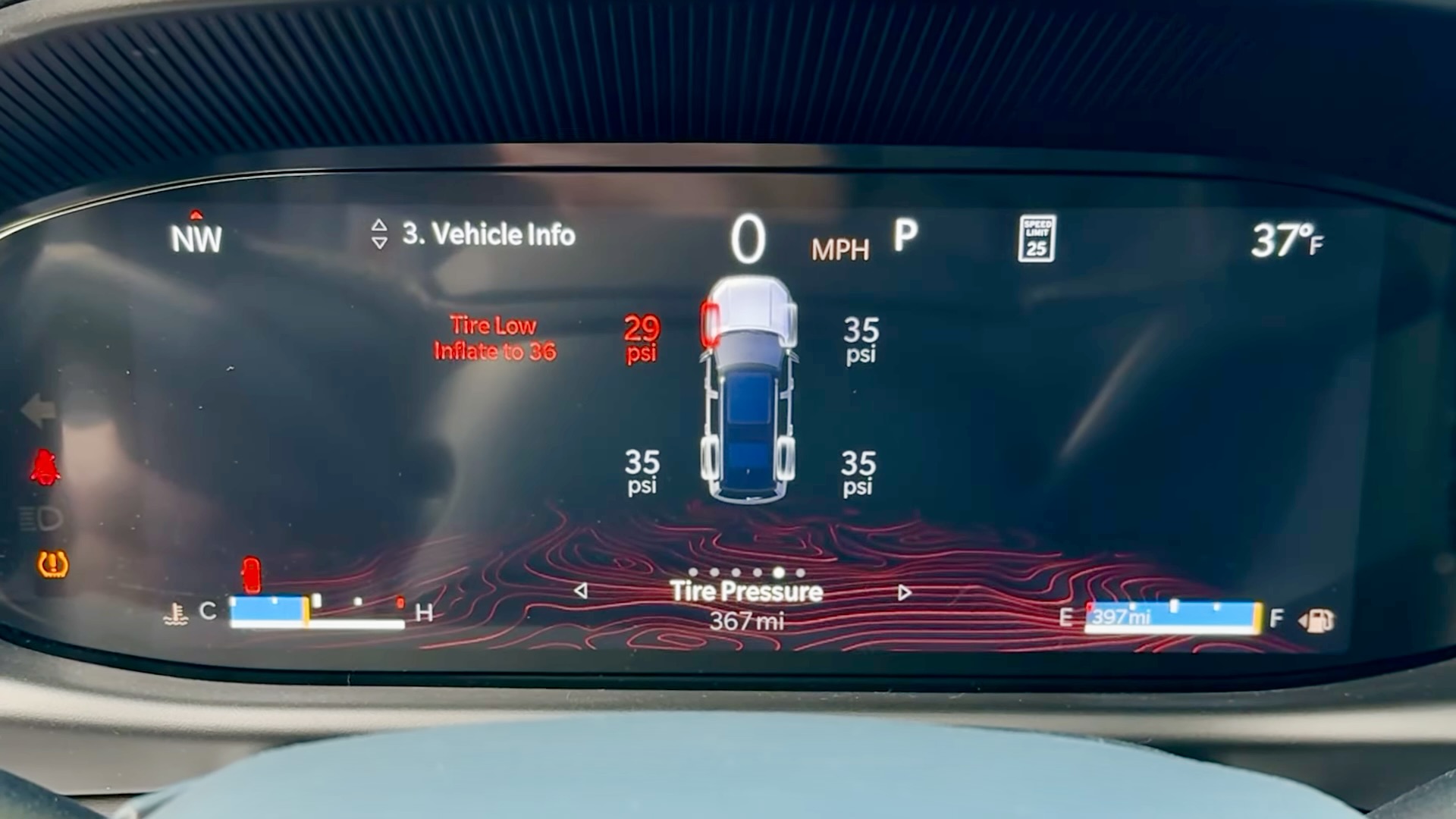
Driving with underinflated tires can impact more than just a warning light. Low pressure reduces fuel efficiency, affects handling, and can increase tire wear—especially during winter when road conditions are already less forgiving.
Mopar Dad’s message is straightforward: a quick check can make a big difference. Whether you’re using the vehicle’s onboard system, a traditional pressure gauge, or taking advantage of Tire Fill Alert, staying on top of tire pressure during cold weather helps keep your vehicle safe, efficient, and ready for winter driving.
It’s a small reminder, but one that pays off every mile.