
Abarth’s Potential Return to Gasoline: Why Scorpions Might Strike Again
Customer Demand For Combustion Power Could Revive The Fire Under Abarth's Hood

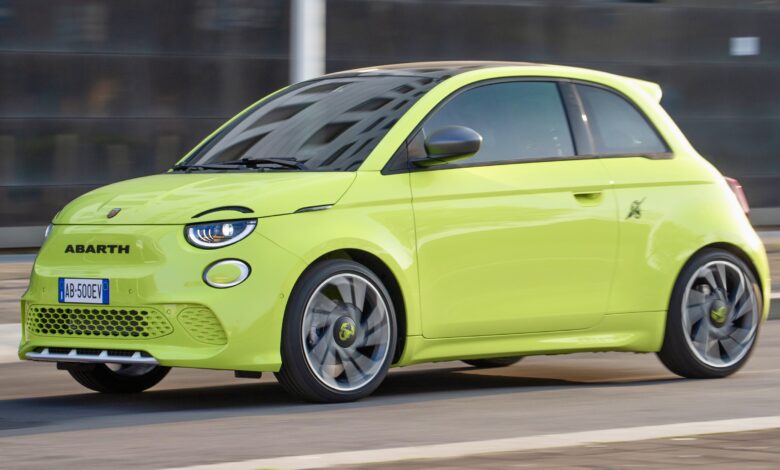
When I read that Abarth might bring back gasoline-powered hot hatches, I couldn’t help but nod in agreement. As a gearhead who drives an electric vehicle (EV), I love my Charger — but I’m not in love with it. I like to modify, tune, and wrench; with an EV powertrain, my hands are tied. Abarth’s dilemma hits home all too well.
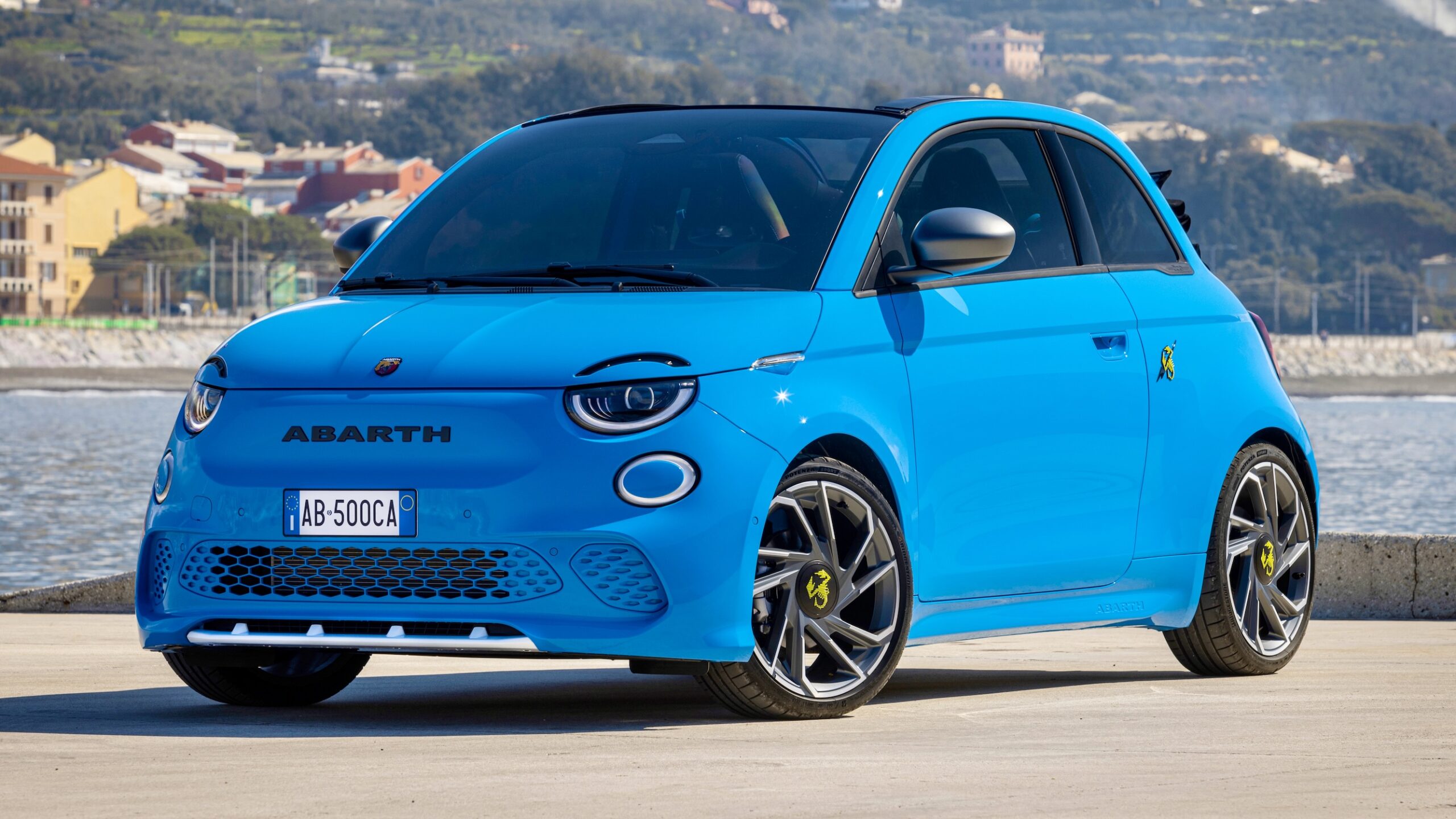
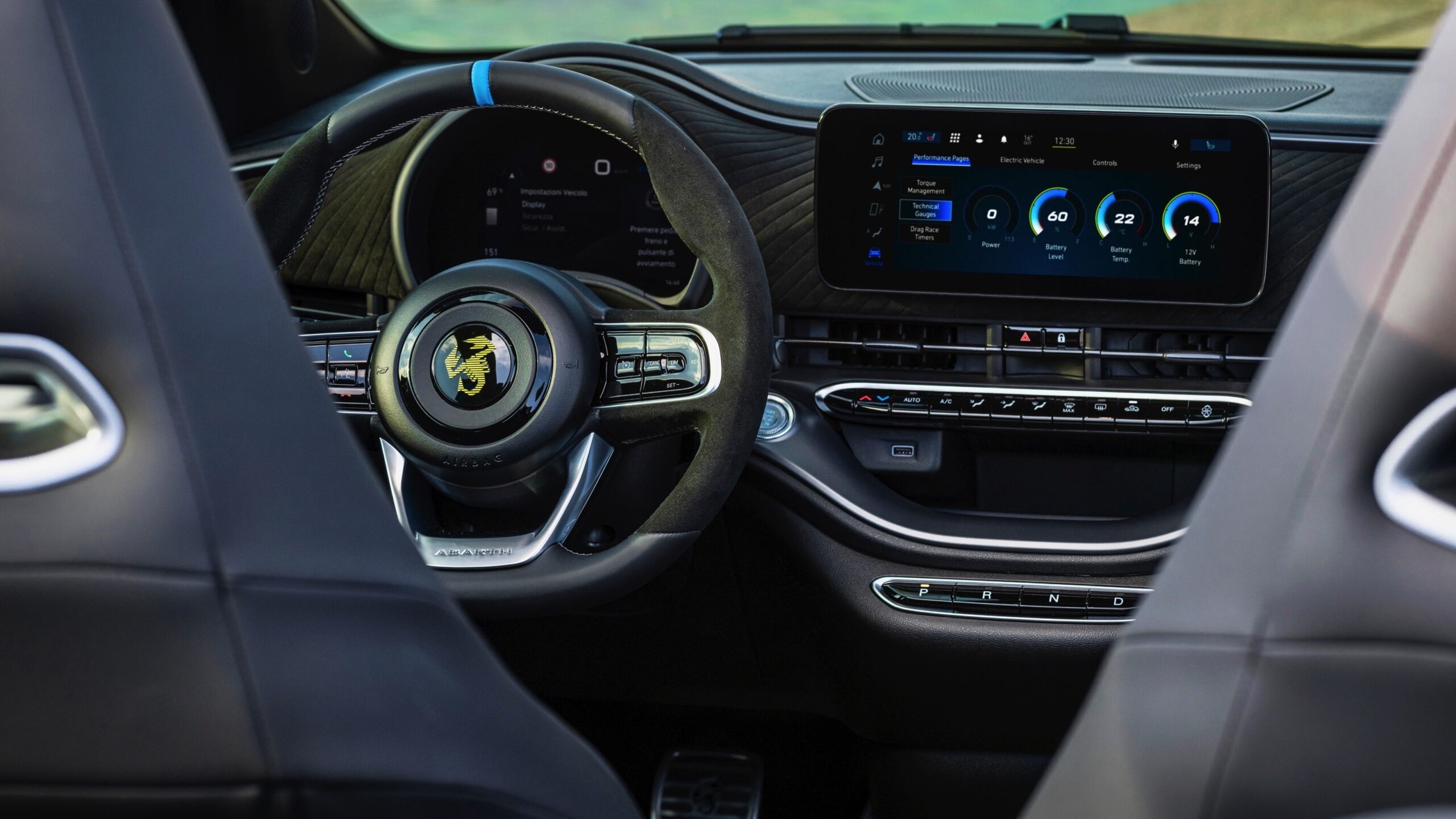
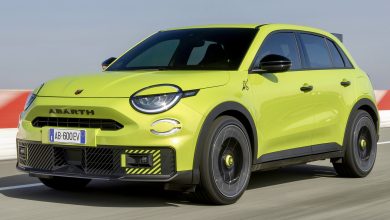
According to the latest report from Autocar, Abarth’s European boss, Gaetano Thorel, admitted that the brand’s shift to all-electric — with models like the 500e and 600e — failed to resonate with its core following. “The Abarth [customer] wants a combustion engine not only for the power but because Abarth customers fundamentally buy the car and then modify it with their own hands,” Thorel explained. “On the electric one you cannot, so for them it’s a limitation — they cannot put their hands on the engine and fuel, and that’s why the Abarth club are not very happy with us.”
That candid admission lays bare a simple truth: for many Abarth fans, the fun isn’t just about how fast the car goes — it’s about what you can do under the hood afterward. The silence and immutability of electric power trains strip away that element of personal involvement.
The numbers back up the sentiment. Abarth reportedly sold only 273 cars in the UK so far this year, far down from 954 at the same point last year — and dramatically off from 5,631 in 2018. That steep drop suggests the EV-only strategy hasn’t just disappointed enthusiasts, it’s decimated demand.
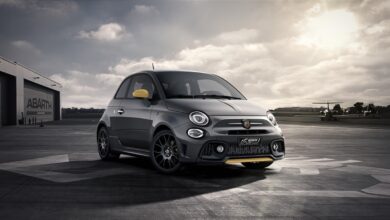
So now Abarth is weighing a return to combustion. The proposed candidate is a hot hatch version of the new Fiat 500 Hybrid, which uses a modified version of the 500e platform. On paper, the architecture could “accommodate more power,” according to Thorel.
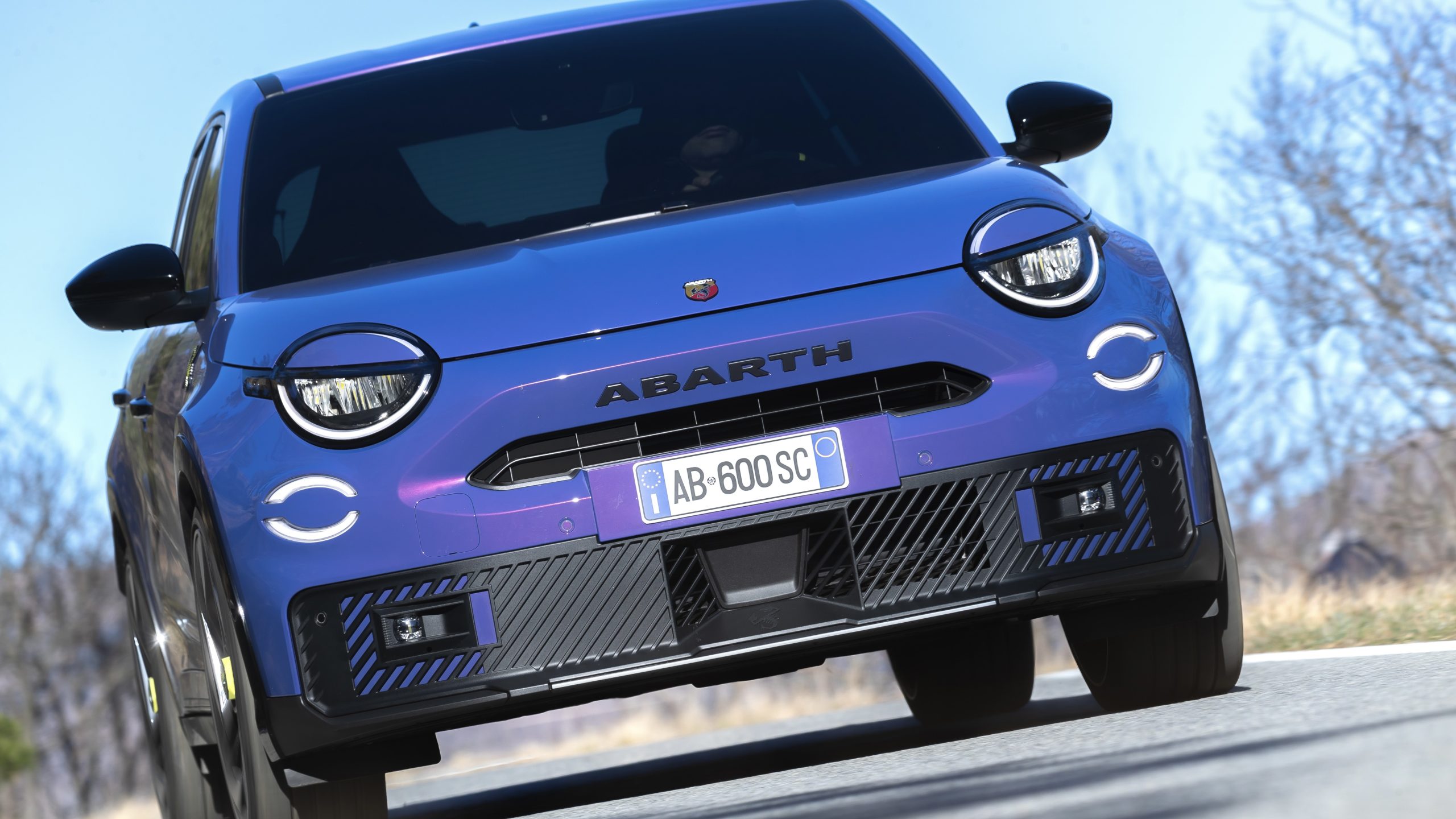
But before you get too excited, there are real hurdles. The 500 Hybrid ships with a modest, naturally aspirated 1.0-liter Firefly I3 engine — rated at 64–65 horsepower — making it one of the slowest-accelerating cars on sale. In its standard form, it won’t deliver the kind of snap, roar, and rev-happy character that defined past Abarth 595 and 695 models.
Then there’s the issue of packaging. The 500 platform was designed around an electric motor, not a combustion engine: space is tight, cooling provisions are limited, and there’s little room for anything beefier or more demanding.
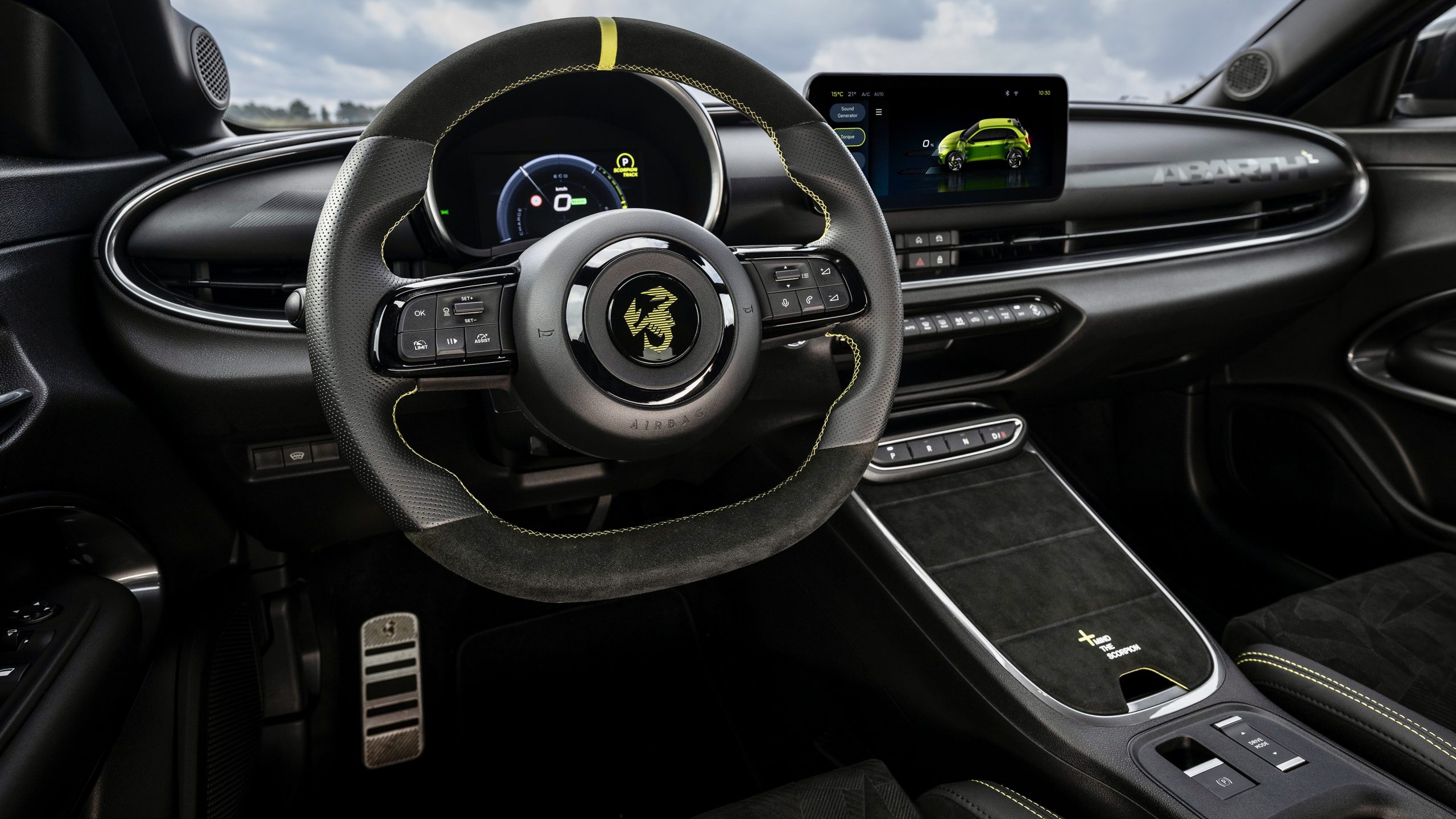
From a business standpoint, it’s a niche gamble: building a bespoke “new Abarth 500” just for enthusiasts is a risky return on investment. Still, Thorel emphasized they’re “trying.”
The EV age delivers convenience, tech, and instant torque — but for many of us, it also delivers frustration, because we can’t wrench, bolt on parts, or make it our own. Abarth may be the first major brand to acknowledge that enthusiast craving formally.
If this Abarth return to gasoline actually happens, it would mark more than just a model refresh — it could signal a subtle shift in the industry: that for some buyers, “feel, noise, ownership, mod-culture” still matters.
Only time will tell if the Scorpion will strike again.
Source: Autocar UK

No replies yet
Loading new replies...
Join the full discussion at the Mopar Insiders Forum →